IDLE TIME
2020/22 Personal Project
Continuous Personal Practice
Role: UI/UX Design, User Research, Information Architecture, 3D Designer, VRand Unity Developer
Duration: 1 Year Research/4 Weeks Design Development
Tools: Illustrator, Figma, Premier Pro, After Effects, Unity, C#, 3ds Max, Blender, Ableton Live (Sound Design), GIS Mapping & Zephyr 3D Scanning.
Project Achievements:
- Sir Jony Ive’s curation of ‘Optimistic Singular and New’ as an Artist significant for the future.
- I-D Magazine, Arts Thread Global design show
- Exhibited at The Science Gallery - Detroit, USA
About
Can hybrid environments become an unpredictable platform against the secluded use of technologies to reclaim our right to a non-capitalised idleness and social serendipity?
This ongoing personal research project, developed into a UX/UI application, aims to empower users to reclaim their anonymity and resist the commodification of their idle time. By exploring the intersection of physical and digital environments, it questions the polarisation of post-information society. In today's data-driven economy, personal information shapes infrastructure, culture, and politics, leading to personalised user interfaces that predict and filter content based on individual preferences. This filtering creates echo chambers, reinforcing extremist views which have become a huge issue in todays society. Taking inspiration from Phillosopher Bertrand Russell ‘In Praise of Idleness’ whereby in the 20th century, to be idle was a form of activism against economies and to become self sufficient which in a data economy this is no longer an option.
This research began from drawing on my own experience of inadvertently discovering intimate data since 2013 and I have begun to look on a wider biopolitical scale into the impact of algorithms on personal identity. I seek to understand why certain digital narratives have impacted our physical experiences. Through analysis of urban cluster data in London this project aims to remove empower users to reclaim back their idle time.
How does it work?
Discover: Download application.
Connect Browser: Connecting either your google profile or similar browsing information.
Randomise: Randomising user data with another user.
Re-discover: New recommendations and untargetted information displayed to user.
Re-claim your idle time: Less distractions online with less dependancy on online discoveries.
Problem & Solution
-
With 3.4 billion online users, virtual encounters shape our daily lives, yet we lack control over our data's capitalisation, leading to targeted content consumption. This fuels radicalisation and misinformation, empowered by algorithm-filtered information, which can shape subconscious behaviours. These algorithms blur the lines between our virtual and physical identities, influencing all aspects of our lives.
-
The project proposes the development of a data randomiser tool aimed at diversifying online content consumption. By introducing serendipity into content selection, the tool aims to counteract the effects of curated information and filter bubbles. Ultimately, it seeks to promote critical thinking and expose users to a broader range of perspectives.
-
To create a data randomiser that eliminates curated online information.
Primary Research/ Short Essay
Research & Analysis
-
In a society where 90% of the world’s data has been created in the las two years the value of personal information has influenced infrastructure culture and politics. As the world becomes more data driven the networked societies we live in are dependant on the utilisation of the internet as a mai source of information, knowledge, connectivity and more recently how we maintain our lives. The use of apps to track our fitness, what we eat, what we read and many other intrusive uses of applications are the tools fo machines to predict our behaviours to create personalised user interfaces. The introduction of the 2013 E=uewede algorithm was designed to defin an individual’s exposure to information by predicting whether the content would be enjoyable to the user through filtering all media that opposed t their interests. This consequently led to social and information platform categorising interests into echo chambers and filter bubbles of information radicalising our interests and creating a more polarised networked society.
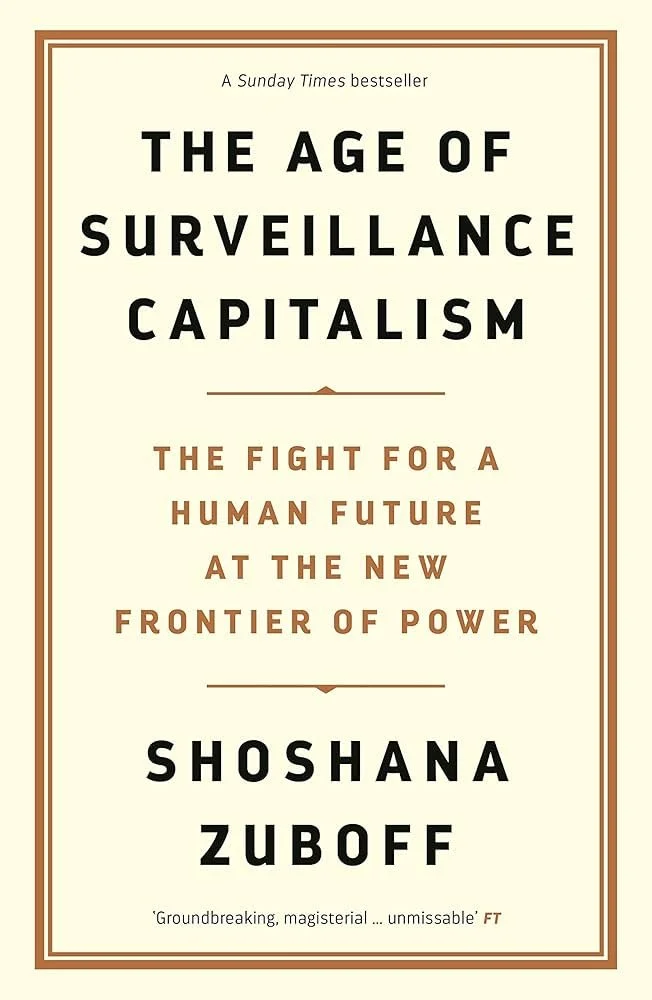
The 20th century marked the rise of a consumer society, characterised by information overload and personalised lifestyles within corporate chains. In the 21st century, technology has become integral to Western life, driven by algorithms and a data-driven economy. Platforms like Google and Facebook dominate email, socialising, finance, browsing, and information gathering, intensifying the role of mass media and keeping us constantly connected through our phones in a "black box society," where technology governs our data and consumption. Facebook and Google utilise algorithms, informed by user activity and mood research, to manage information flow. Research indicates that manipulating emotional content on feeds affects user engagement and mood, highlighting the significance of filter algorithms for their business models. With just 300 'likes,' algorithms create "filter bubbles," polarising views and fuelling societal extremism. Social media's influence in spreading propaganda and fake news is acknowledged, with Eli Pariser warning of the reinforcing effect of filter bubbles, concealing unknown dangers. Our interactions through screens profoundly shape our physical world, influenced by pre-programmed hybrid spaces. Shoshana Zuboff's concept of "behavioural surplus" involves the conversion of information through 'machine intelligence,' trading predictive products in "behavioural futures markets." This phenomenon peaks during idle moments, particularly in metropolitan areas. 'Boredom' becomes an online experience, while 'waiting' is studied through photographic analysis during journeys to university, revealing moments of behavioural surplus in public spaces. Urban planner Edward Soja categorises lived and physical spaces into three commodities: the physical environment, the transitional space of 'waiting,' and virtual engagement through idle online activity. A study tracked algorithmic influence in third-party tracking applications during a specified period.Google, termed a pioneer of surveillance capitalism by Zuboff, capitalises on behavioural data through collaborative networks, evident in services like Gmail and Google Drive, which collect user data for enhanced web experiences.Analysis of a Google profile activated in 2013 revealed default tracking of online activity, extending to third-party applications linked to Google or Facebook accounts, indicating a capitalisation on behavioural data to encourage habitual web scrolling.Near Future Laboratories explores subconscious gestures of idle behaviour and their relationship to physical space, seeking to redefine the virtual as tangible. The project questions the potential for resistance against algorithmic influence, exploring the transformation of 'waiting' into tangible spatial qualities to mitigate polarisation of interests and preserve individualism.
Example of Feed Differences:
Although the images below showcase a difference in harmless content feeds, if given enough promts and information a series of sinister and political motives where users will only be exposed to specific types of information. Over time certain political idieologies could be used as a political tool or commodification of users idle time when browsing. A newer version of instagram explore feeds now have an additional shopping cart.
Key Readings
Research & Analysis
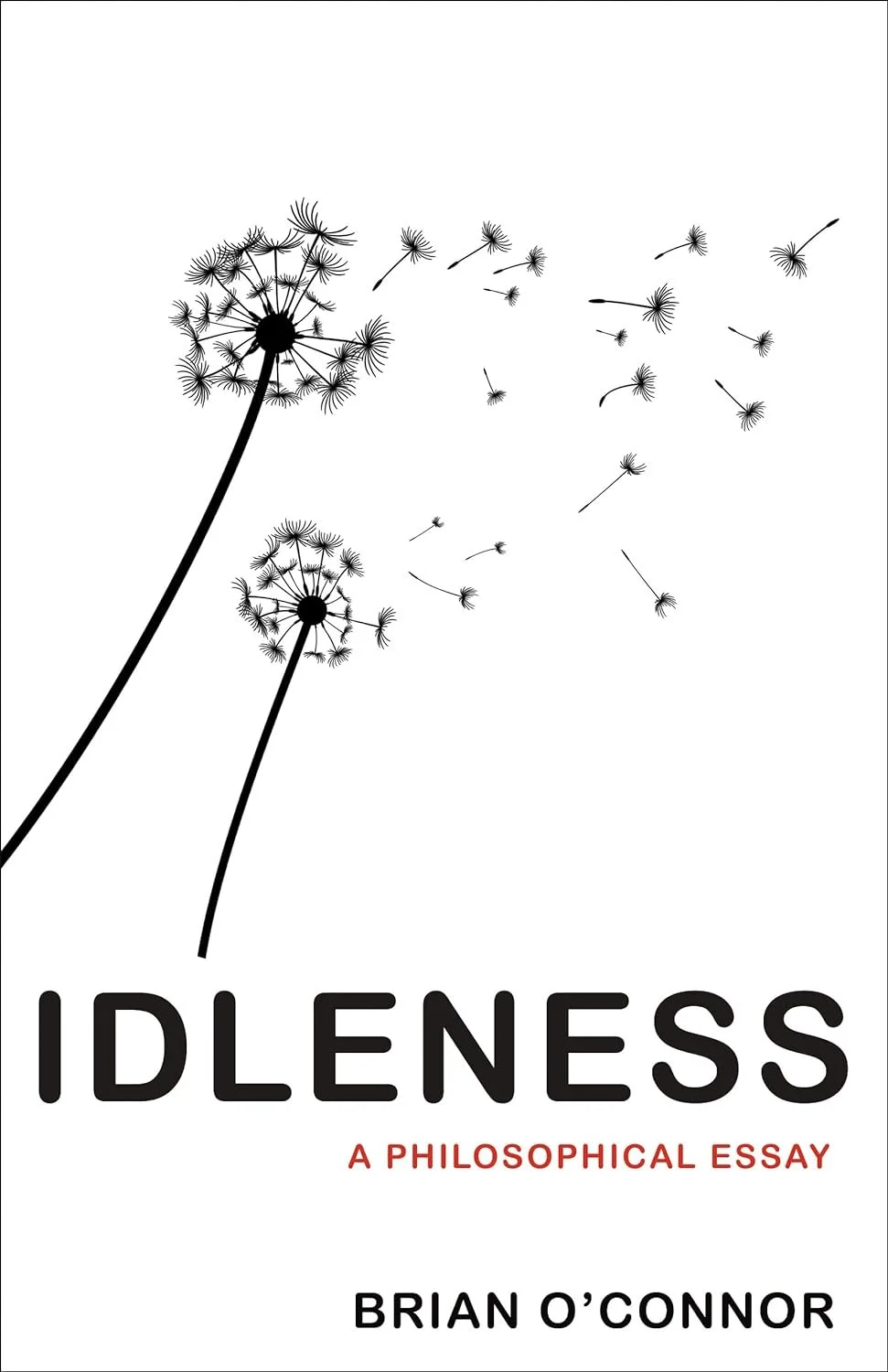

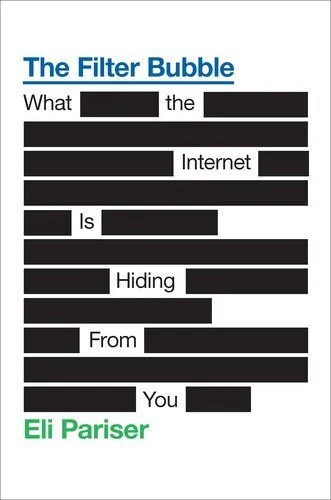
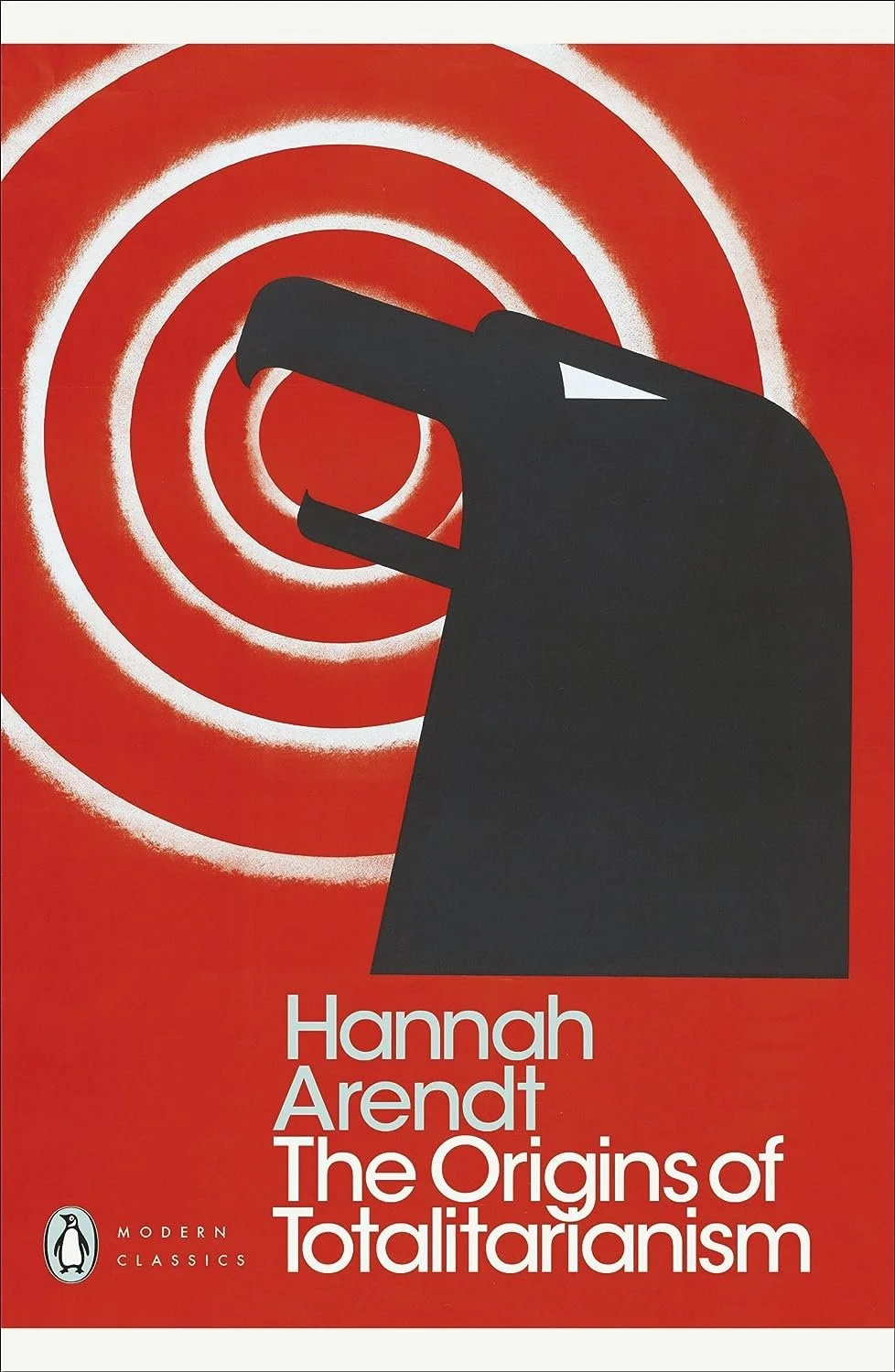


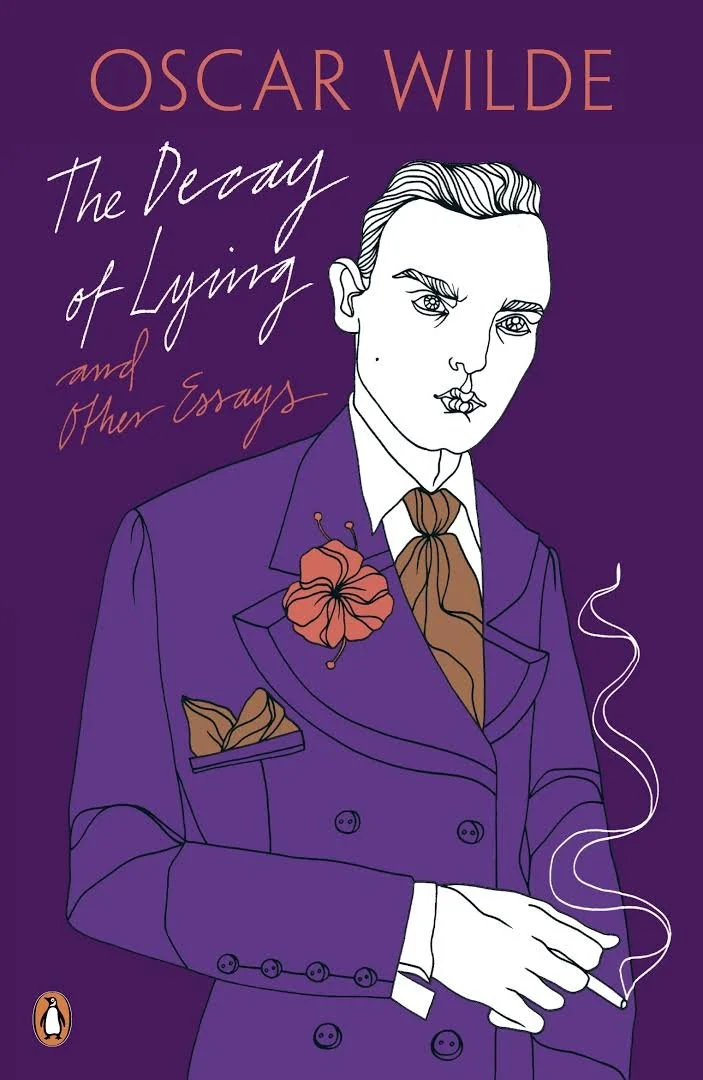
Part 1: Empathise, Define & Ideation
01a. Primary Competitor Analysis
Empathise, Define & Ideation
This report provides a comprehensive analysis of competing privacy and data obfuscation services, highlighting the unique features and strengths of each. Understanding the competitive landscape allows 'Reclaiming Idleness' to identify opportunities for differentiation and improvement, ensuring its relevance and effectiveness in protecting user privacy.
01b. Primary Competitor Analysis
Empathise, Define & Ideation
-
1. Encryption and Security:
Provides strong encryption to protect internet traffic.- Masks IP address to maintain user anonymity.2. Privacy Protection:
Prevents ISPs, hackers, and government from tracking user activity.3. Ease of Use:
User-friendly apps and browser extensions.4. Server Network:
Large number of servers in multiple locations worldwide.5. Speed and Performance:
High-speed connections with minimal impact on browsing.6. Compatibility:
Supports multiple operating systems and devices.7. Additional Features:
Kill switch, split tunneling, ad-blocking. -
1. Data Obfuscation:
Sends random search queries or clicks on ads to confuse trackers (TrackMeNot, AdNauseam).2. Tracker Blocking:
Learns and blocks invisible trackers (Privacy Badger).3. Search Privacy:
Provides private search results without tracking users (DuckDuckGo).4. Ease of Use:
Browser extensions that are easy to install and use.5. Compatibility:
Primarily browser-based, supporting major browsers.6. Impact on Data Profiles:
Actively manipulates or hides user data to reduce the accuracy of tracking. -
Targetting Social Media & Map Recommendations: The ability to target specifically social media which is the most prominent source of information as well as targetting map location recommendations eg. restaurants/events to break out of the bubble.
Data Randomisation:
Randomises user data with selected other users to disrupt profiling.Bias Reduction:
Aims to prevent biased information by mixing data perspectives.User Interaction:
Engages users in the process of selecting other users for data randomisation.Privacy Protection:
Obfuscates actual user behavior to reduce commodification of data.Ease of Use:
Potentially more interactive setup compared to standard VPNs and extensions.Compatibility:
Designed to work across multiple platforms and devices.Impact on Data Profiles:
Alters the perceived behavior and interests to make data less valuable to advertisers.
02. User Interviews & Key Insights
Empathise, Define & Ideation
To gain a better understanding of the current user, a series of interviews were held to gain insignt on current thoughts on data commodification.
Participants: 12
Setting: Both online and London, UK location.
Ages: 17-56
Key Insights
Empathise, Define & Ideation
03. User Personas & Pain Points
Empathise, Define & Ideation
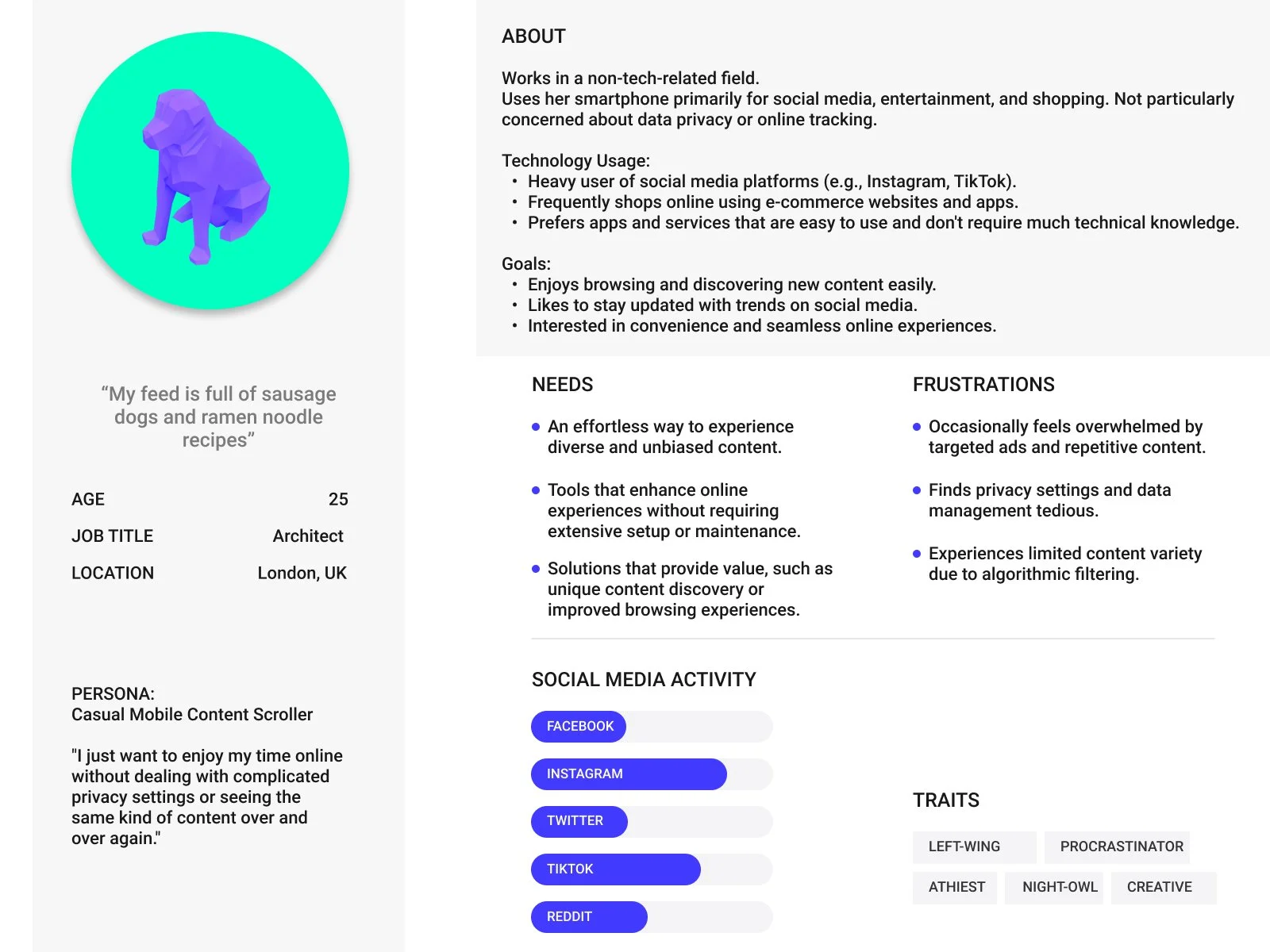
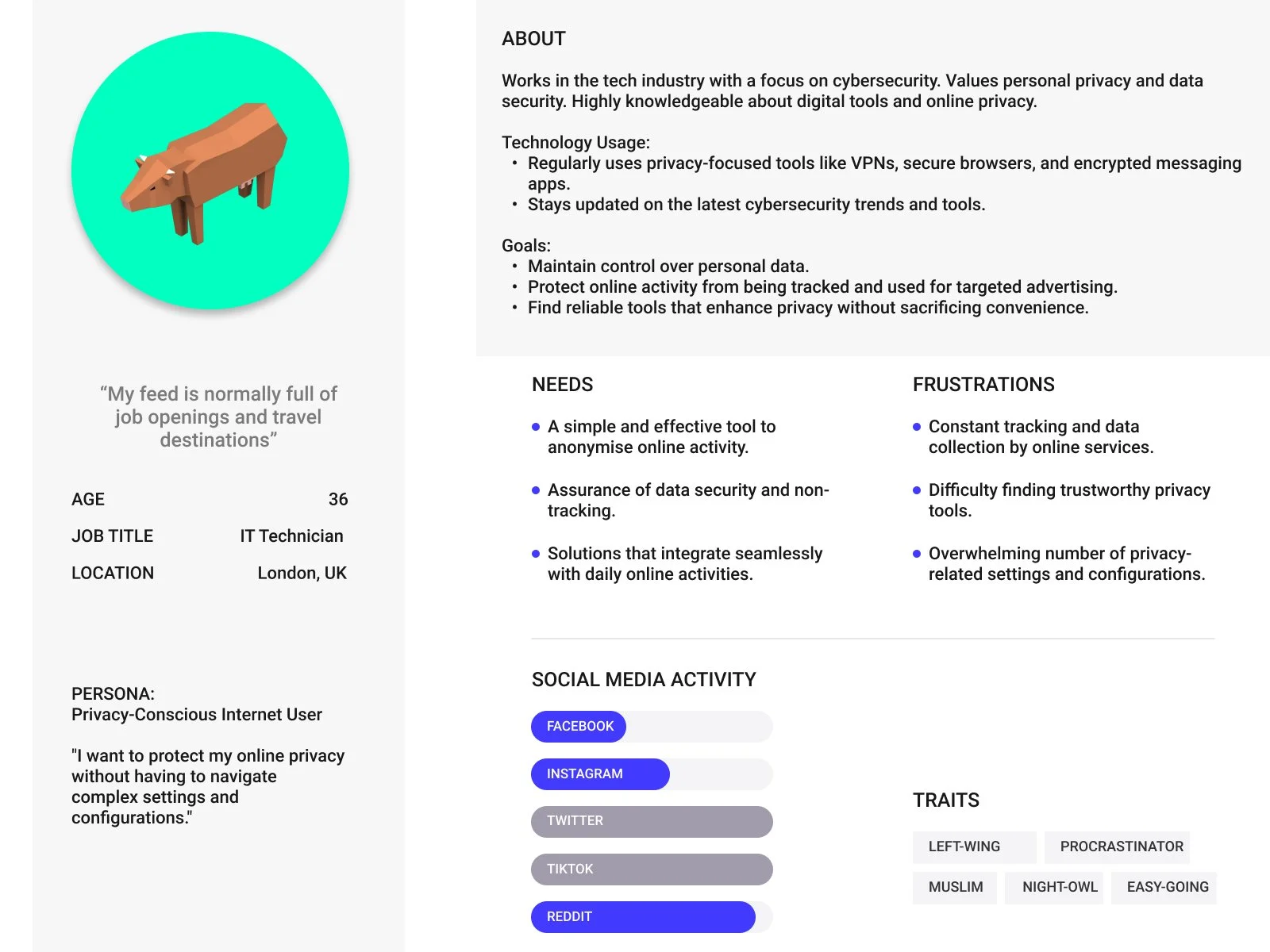
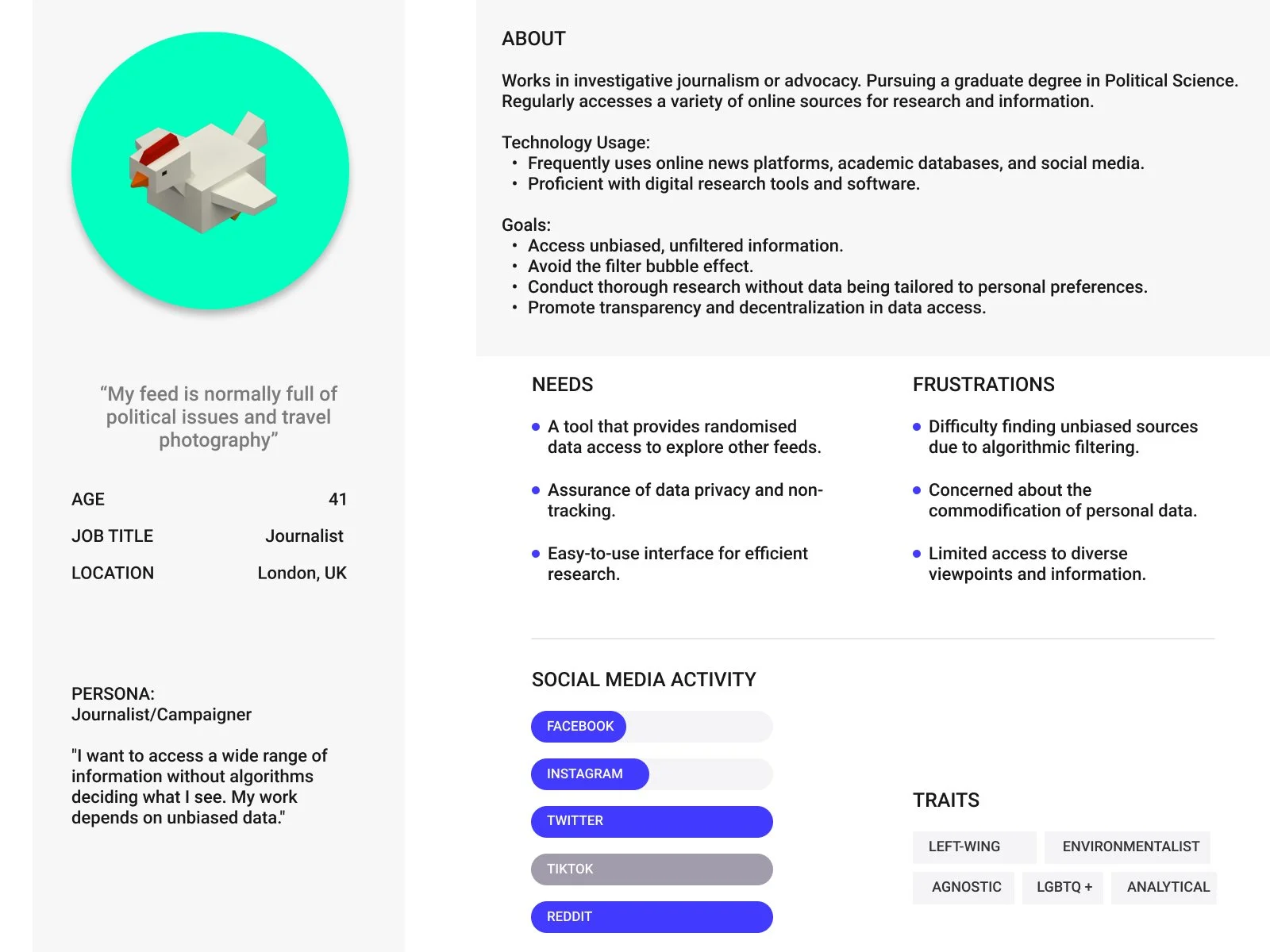
From the informal interviews I collectively put together three user personas which are on common attitudes and user pain points.
04. Value Proposition
Empathise, Define & Ideation
-
One of the main challenges with Idle Time is how to communicate and engage with users who are not particularly interested in data privacy and the filter bubble effect. Although I did not come accross an individual through my interviews I am aware that there will be individuals who are not interested. What is a particular trend based on external survey analysis, younger generations between the ages of 14-17 are less aware of the biopolitical agendas that come with targetted information.
-
Emphasise Content Discovery:
Help users find new and diverse content outside their usual algorithmic feeds. "See more of the internet!", “Discover more feed”, “See what other countries see”, “Find the real truth”.
Offer Value-Added Features:
Provide features like randomised recommendations or unique content aggregation.
Gamify the Experience:
Introduce challenges or rewards use.Allow browsing of other users to swap with.Swap with other friendsUtilise characters/animals(1)
1. The use of animals in advertising implies that, by associating a brand with an attractive cue/stimulus, advertisers can favorably influence consumers' attitudes, even if the stimulus does not relate to the product and provides no product information (Kim, Lim, and Bhargava, 1998).
05a. Value, Method & Social Impact
Empathise, Define & Ideation
Value: The Idle Time app provides significant value by allowing users to reclaim their idle time andbecome less effected by targetted information where the user becomes addicted/influenced by information whilst allowing the user to resist the commodification of their idle time. It offers a form of rebellion against the personalised and political use of filtered information, enabling users to engage with digital content on their own terms. This app fosters a more authentic and liberated online experience.
Method based on research: The development of the Idle Time app was grounded in extensive personal research on the dialogue between physical and digital environments. This research highlighted the fortification of a polarised post-information society and the influence of personal data on behaviour and media exposure. By analysing these dynamics, the app's UX/UI design was crafted to emphasise user autonomy and data privacy, employing clear navigation and intuitive interfaces. Through this a study on user attitudes towards filtered information and the global impacts is researched to see which platforms the Idle Time app could be used as a tool to mitigate filter bubbles.
Potential Impact to based on 3 user personas:
User 01 (The Artist): The Artist benefits from the app's ability to remove algorithmic biases, allowing them to discover diverse and unfiltered creative content. This broadens their inspiration sources and promotes a more genuine artistic exploration, free from commercial and political influences.
User 02 (The Techy): The Techy appreciates the app's emphasis on data privacy and user control. By providing tools to manage and protect their personal information, the app aligns with their values of technological autonomy and ethical digital engagement, enhancing their trust in the platform.
User 03 (The Journalist): The Journalist finds value in the app's capacity to bypass echo chambers and filter bubbles. By accessing a wider range of unfiltered information, they can gain more comprehensive perspectives on current events and societal issues, supporting more balanced and informed reporting.
05b. Value, Method & Social Impact
Empathise, Define & Ideation
Information Architecture: Prior to designing the structure of the application and user flows were mapped. Based on the previous research and user interviews it was essential to create a very simple flow to navigate a behavioural change application. The information design emerges as 5 key application elements where the user is able to:
Preview all applications that are compatible with Idle Time with the ability to change Idle time settings and how it interacts with their applications
A search tool
Data Randomising location
About page to continously inform the user of Idle Times motives
Settings & Privacy pages where the user can change how much access Idle Time is able to use.
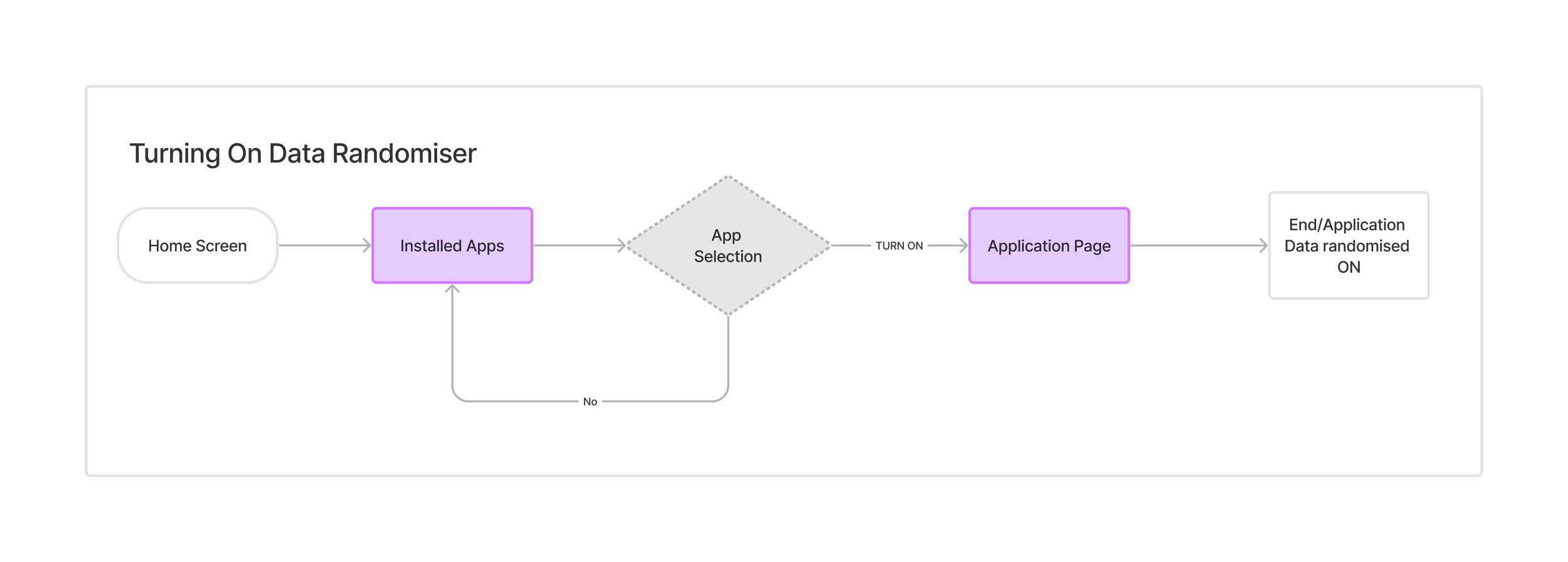
User Flow: 01 Describe everything here placeholder blah blah
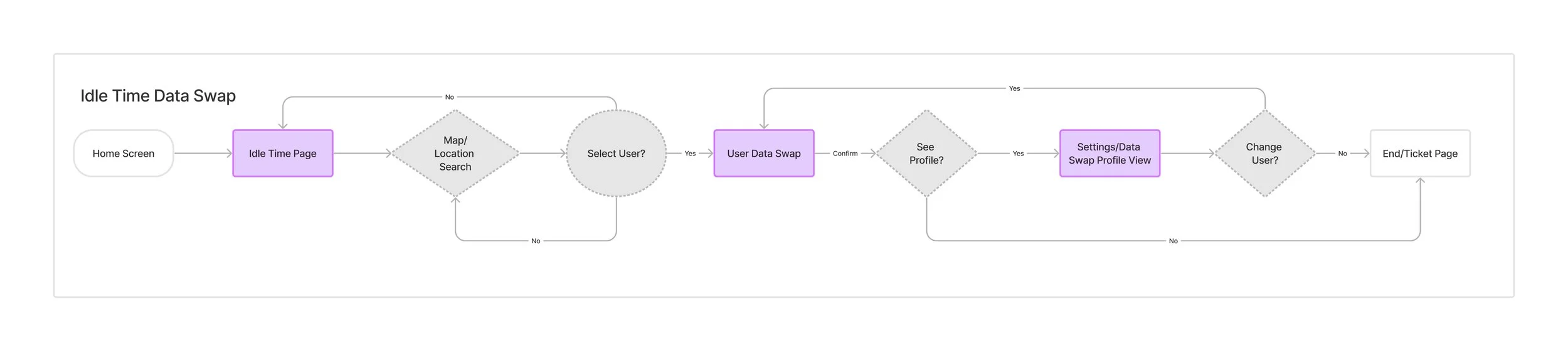
User Flow: 01 Describe everything here placeholder blah blah
Part 2: Design & Test
01. Sketching
Design & Test
Design proposals: Based on the user research it was essential to desing 3 types of features for the application.
Application off/on function: Based on the feedback from the user interviews the link between functionality of applications and usability is key to address. As the data will be no longer be tailored to the user, it was important to still have some functionality to the users appliations. For example if a user wants to find information that is tailored to their personal online addentity they may want to turn Idle Time off.
Customisable application types: Users may also want to only apply Idle time to some applications which the user is able to select the applications they wish to randomise data.
User Location Swap: To create the psychology of collective action a search map where users can select profiles of other users to randomise their data with invites curiosity and insight to how information is being spread around the world.
02. Low Fidelity Prototype
Design & Test
Based on the previous sketchesa the low fidelity prototype showcased the need for familiarity in settings type. Some key design features are:
1. Startup page with information on Idle Times motives alongside instructions.
2. Familiar UI utilised in IOS or Android devices to turn Idle Time on of off applications.
3. Easily navigatable map and locator with a small bio on the user. All names and personal data are protected.
03. Usability Testing
Design & Test
Participants: 5
Setting: In person, London
Ages: 22-56
The user tensting conclusions for priority design changes where as follows:
Positive Feedback: Users felt that the navigation and UI familiarity were easily navigated.
Design Change Feedback: Creating more emphasis on how to change the data randomiser. Additional feedback also suggested showcasing how many users were participating in the Idle Time. Additional suggestion to have a master ‘turn all off button’.
04. Branding & Hi-Fidelity
Design & Test
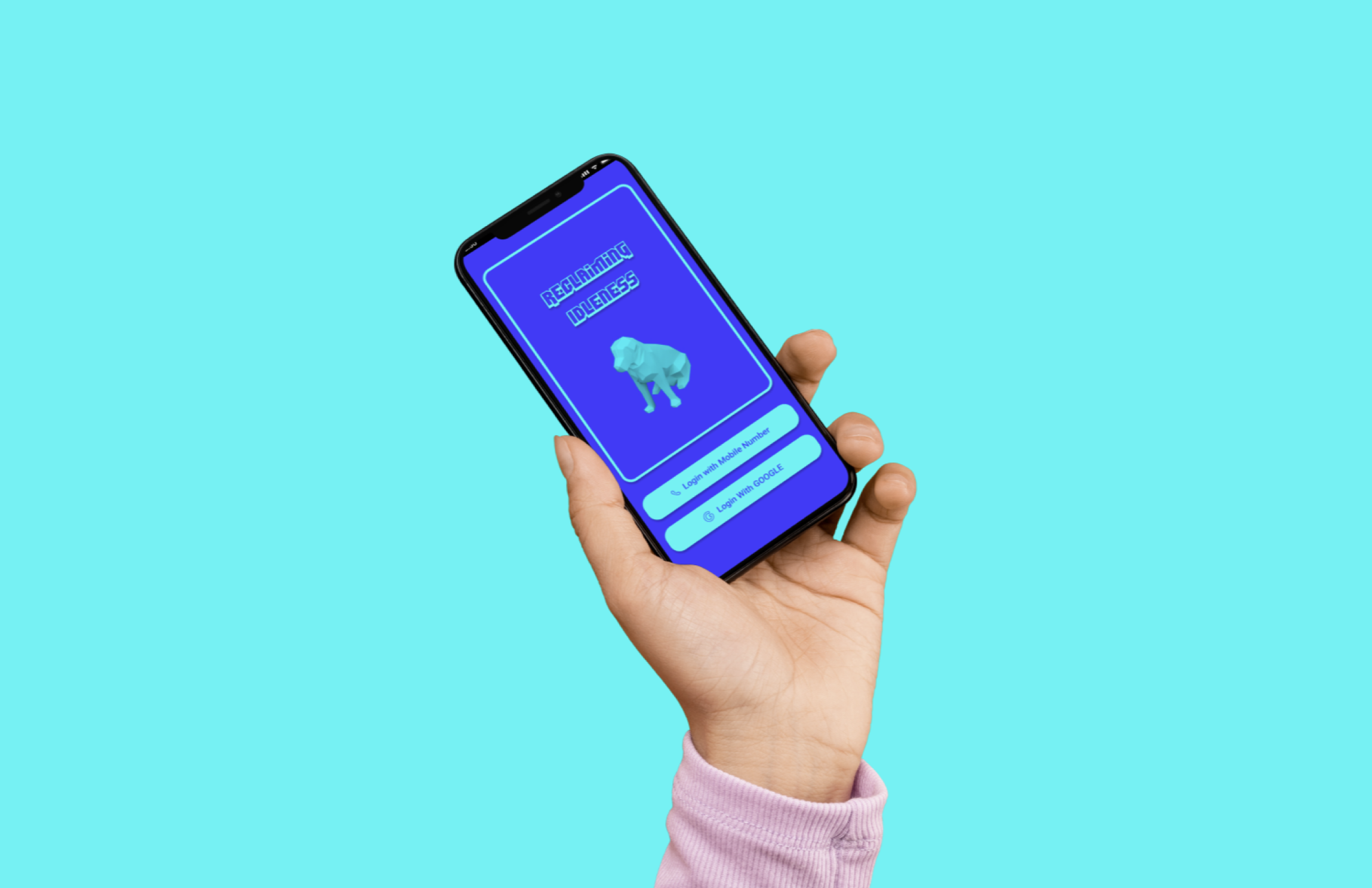
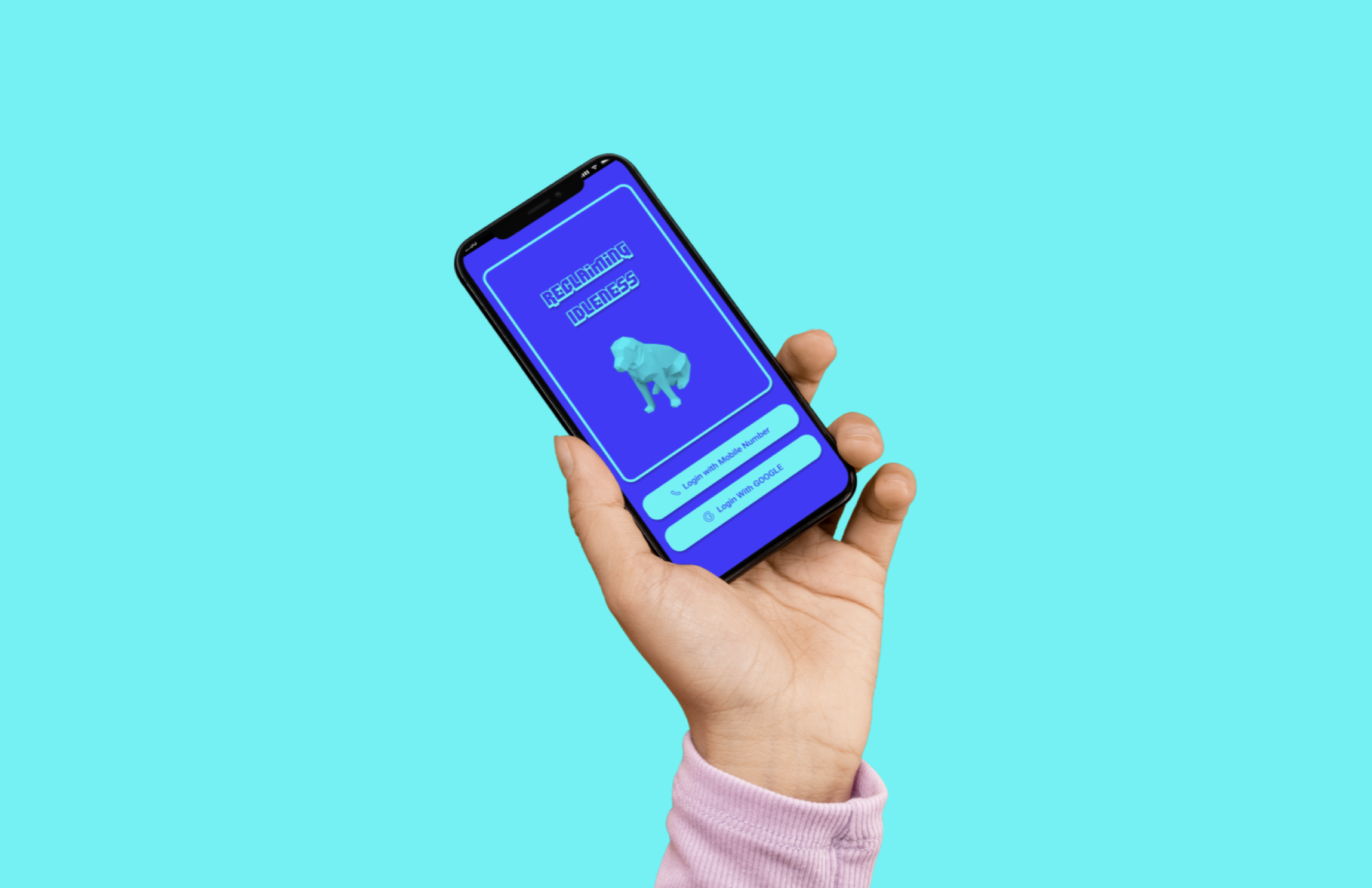
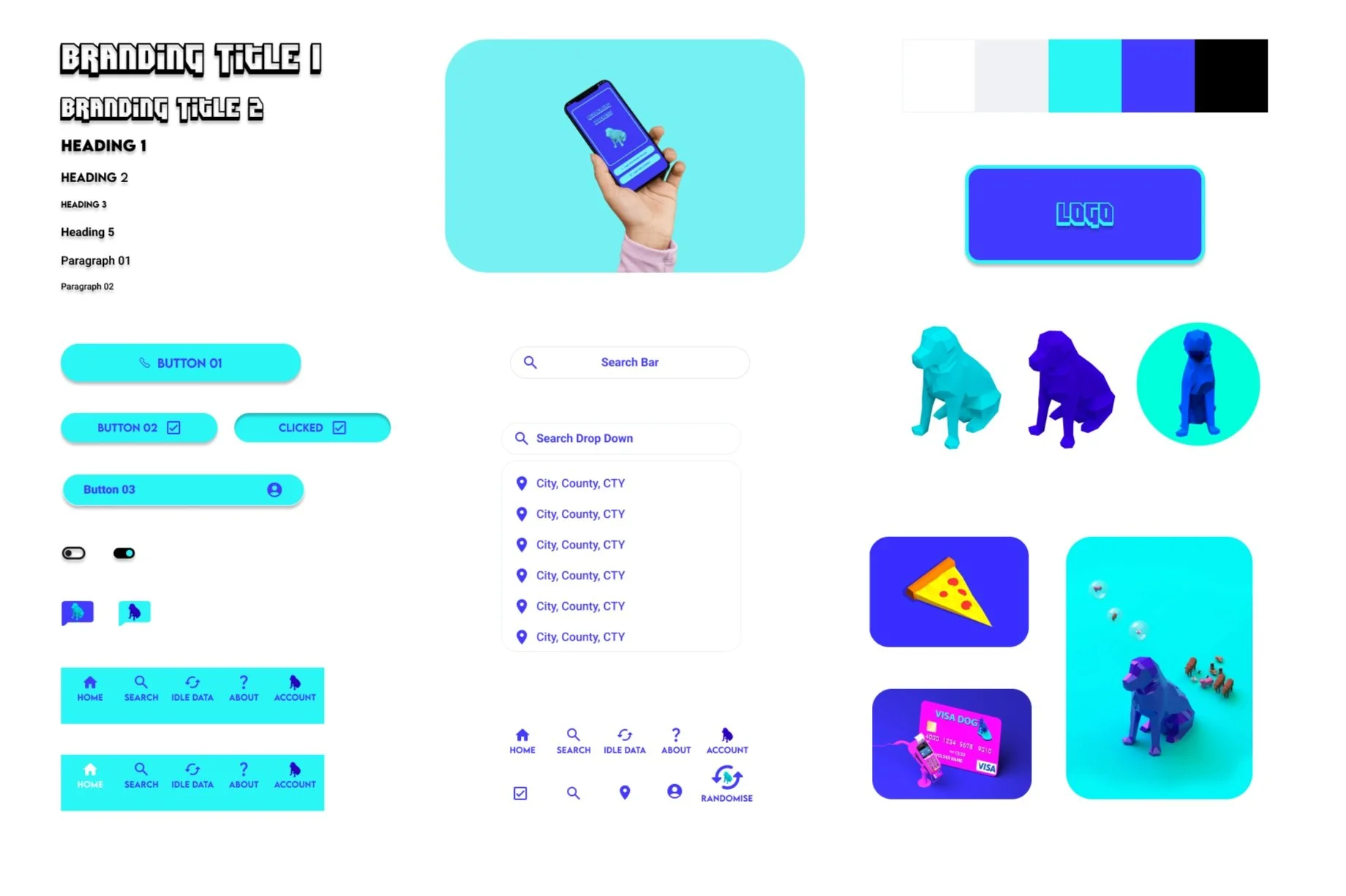
The app's branding and identity revolve around the iconic images of cats and dogs, reflecting the split between 'cat people' and 'dog people' in online lives.
These symbols symbolise the influence of algorithms, which tailor content and trap users within 'cat' or 'dog' filter bubbles. The design is inspired by the vibrant aesthetics of the early 2000s internet, adding a playful touch and evoking nostalgia. This retro style not only simplifies the complex issue of algorithmic control but also makes the app more user-friendly. In a world inundated with information, simplicity is key, and the branding reflects this belief.
05. Usability Testing 02
Design & Test
Participants: 5
Setting: In person, London
Ages: 22-56
06. Feature & Design Itirations
Design & Test
1. Icon Size Reductions and Shortcut On/Off Button:
Reduced the size of icons to minimise interface clutter.Added an on/off shortcut button directly under each icon for quicker access and control.
2. Icon Size Reductions and Master On/Off Toggle:
Further reduced icon sizes for a more streamlined interface. Implemented a master 'on/off' toggle to enable or disable features globally for user convenience.
3. Data Randomising Button:
Introduced a new button that allows users to randomise data by selecting a user at random, enhancing the functionality and user experience.
4. Navigation Selection
White contrast was too low and has been replaced with a line under the navigation selection.
Design & Test
07. Protoype
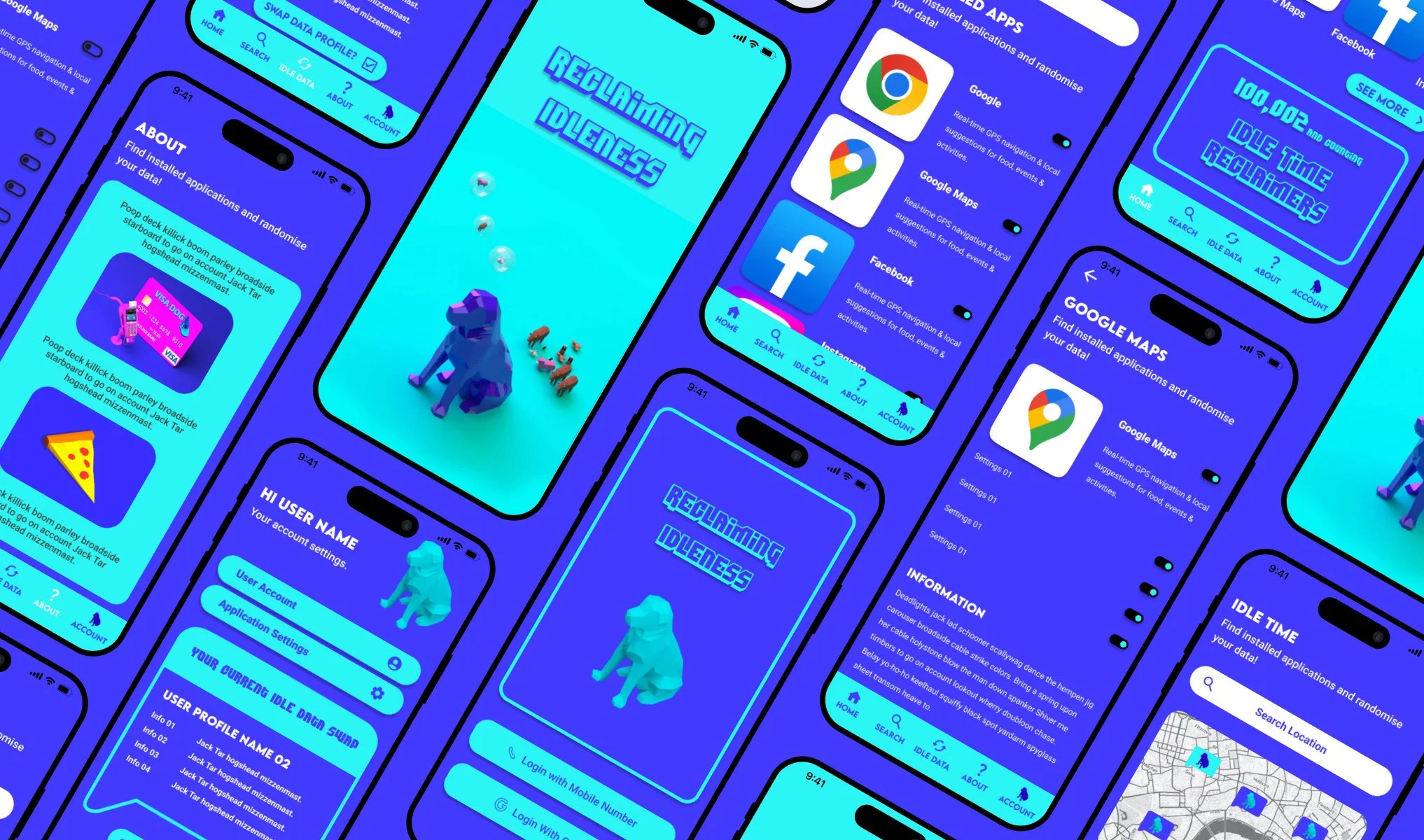
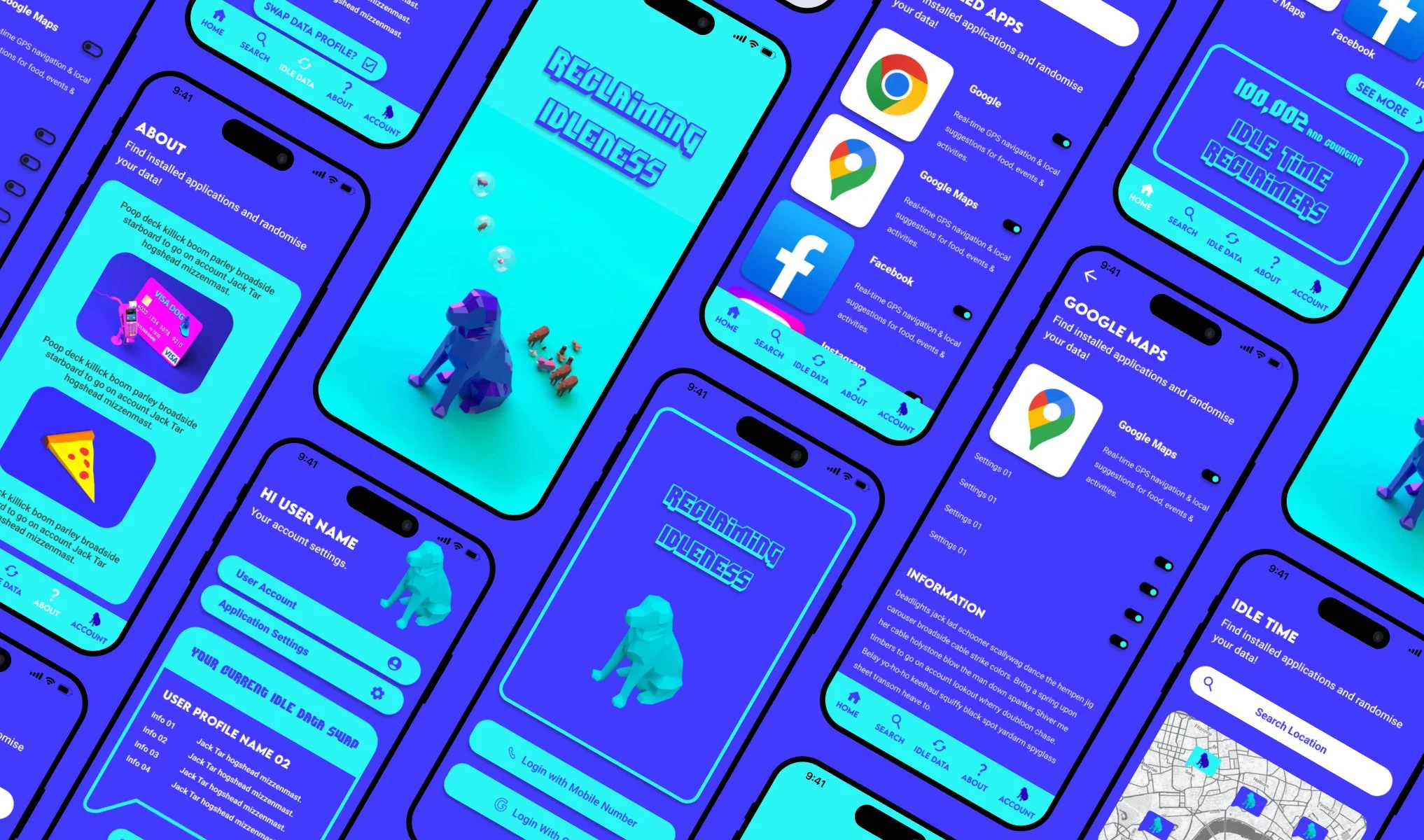
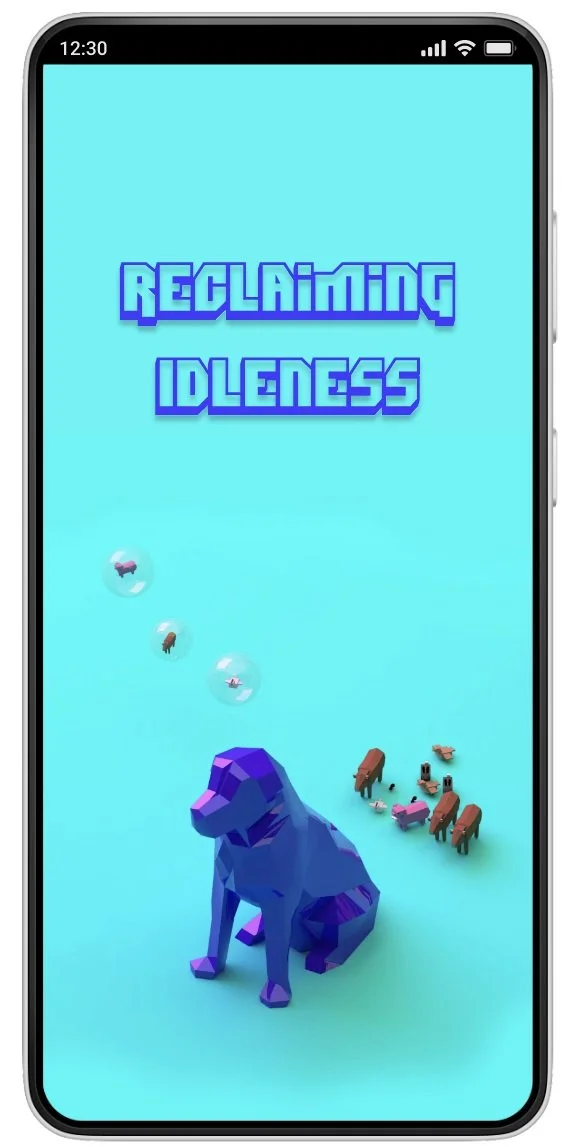
The final prototype incorporates key feedback from user testing, featuring a streamlined interface with reduced icon sizes, convenient shortcut buttons for quick access, and a master toggle for global control of features. Additionally, a new data randomising button has been introduced, allowing users to easily select a random user for data randomisation, enhancing the overall functionality and user experience. These improvements aim to provide a more intuitive and efficient user interaction with the app.
Lessons Learned
Throughout the development and testing of the 'Idle Time' app, several key lessons were learnt. User feedback highlighted the importance of a clean, uncluttered interface, leading to the reduction in icon sizes and the introduction of shortcut buttons for ease of use. It became clear that intuitive navigation and clear labelling are crucial for user satisfaction, prompting the addition of a master on/off toggle and a more streamlined settings menu. Additionally, the need for features that enhance user control and engagement was evident, resulting in the implementation of a data randomising button. These insights have been invaluable in refining the app to better meet user needs and expectations.
The reality of implementing a complex goal and message meant there needed to be increased simplicity in the application alongside gamification imagery. The actual effects and impacts of ‘Idle Time as an application is not possible to conclude without the launch of such an application. A major win would be specifically for journalists or activist being able to see examples of how others, particularly those who live in politically unstable countries of the types of information they are exposed to. A downside would be how users would generally want to use an app as these applications without their algorithms would no longer be addicting, this could however help those with phone/application addictions as without being exposed peprsonification algorithms it could make the application less desirable, reducing mobile use. Another issue could be that exposure to other extreme views could infact increase some extremist values. The aim of this project is to highlight the complete intertwining of recommendation algorithms and our iditentiy in the physical world being completely intertwined with the potential to alter our political ideologies.