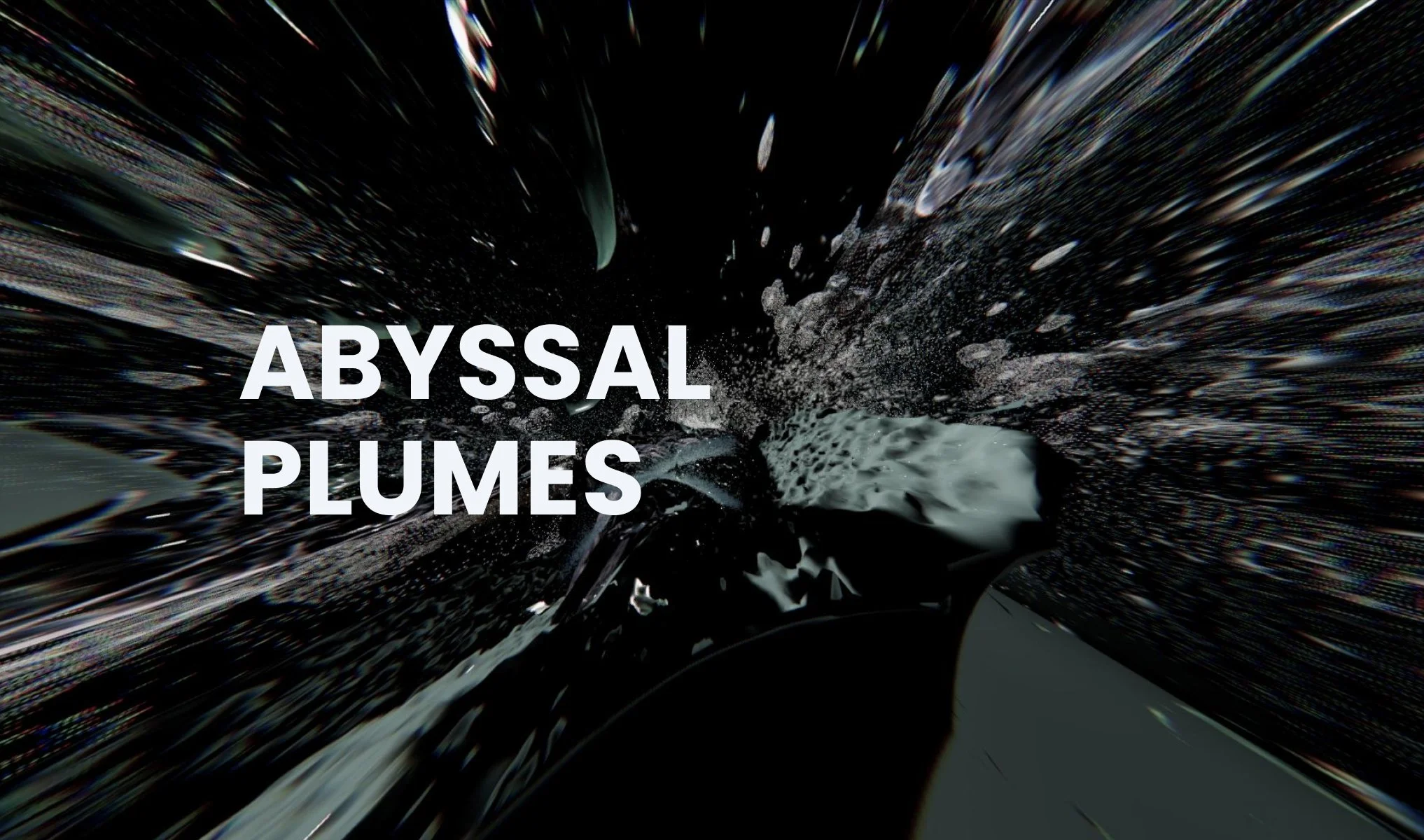
Abyssal Plumes
2023/24 The Design Museum/Future Observatory Program
Continuous Research Project
Role: UI/UX Design, User Research, Information Architecture, 3D Designer, VR and Unity Developer. In Collaboration with researcher and artist Rhiarna Dhaliwal.
Duration: 3 Month Research/4 Weeks Design Development (Project in continuations)
Tools: Illustrator, Figma, Premier Pro, After Effects, Unity, C#, 3ds Max, Blender, Ableton Live (Sound Design), GIS Mapping & Zephyr 3D Scanning.
Project Achievements: Exhibition at the Design Museums Future Observatory program for aspiring researchers and designers.
About
The deepest areas of our oceans, once considered alien abysses distant from our lives, are currently at the centre of debates on green energy and submarine biodiversity. The presence of valuable metals and minerals on the sea floor – including cobalt and nickel – has drawn the attention of mining companies hoping to use them in ‘green’ technologies such as wind turbines and solar panels. However, as with mining for fossil fuels, the extraction of these metals may have damaging environmental consequences for the animal species living in the deep, as well as nearby island communities.
The research dives into this contested terrain and introduces us to microscopic creatures and polymetallic nodules: mineral-rich rocks found on the sea floor. She draws from cutting-edge biological research to discredit perceptions of the deep sea as an empty space primed for mining and takes us closer to those lively marine depths.
Problem & Solution
-
The research revealed a significant gap in data about the deep sea, particularly regarding polymetallic nodule mining. Despite a lack of comprehensive mapping of these regions, companies like The Metals Company are advancing their mining efforts. This absence of deep-sea imagery and information raises concerns about the environmental risks, especially given the unknown impacts of disturbing marine fauna, the building blocks of marine ecosystems.
-
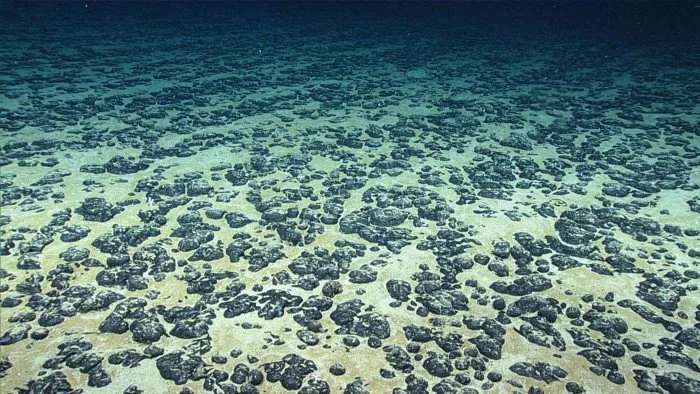
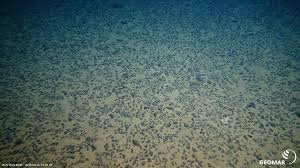
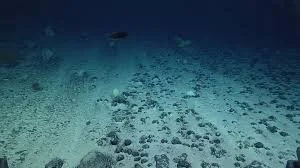
To address the issue, I conducted extensive research, whilst Rhiarna continued addtional researching and consulting marine biologists. I then ran a script that compiled as many available images of the deep sea as possible found online. Using these, I created a simulation that aimed to build the "most comprehensive deep sea image map." By showcasing the lack of available data through this visual simulation, the project emphasized how little is known about the deep sea, thus challenging the validity of mining operations based on insufficient evidence. Through initial testing the most effective method was to utilise a game engine thaat could simulate the correct environment and density of the deep sea.
-
The project aimed to raise awareness of the ecological risks associated with deep-sea mining by simulating 6 million years of environmental changes. Through the film and its accompanying visual representation, the goal was to highlight the knowledge gap and provoke a critical conversation about the consequences of deep-sea disturbances on biodiversity and the ethical considerations surrounding the mining of polymetallic nodules.
Key Readings
Research & Analysis

Mapping the Depths
Research & Analysis
-
The abyssal plain that stretches across the earth’s ocean floor is the new frontier for resource extraction. With proposed exploration set to begin in July 2023, deep-sea mining will occur in areas abounding in mineral deposits known as polymetallic nodules. The mining will also take place in areas rich in marine life. Polymetallic nodules found on the seabed are rich in valuable metals such as manganese, nickel, copper, and cobalt, as well as rare- earth elements. These metals are used in a wide variety of modern technologies including home electronics, rechargeable batteries for electric vehicles and wind turbines. As a result, mining companies argue these metals are essential to the green energy transition. While only 0.0001 per cent of the deep-sea floor has been investigated, as doing so is considered technologically challenging and expensive, mining companies have set their sights on the seabed. The prospects of this new, experimental form of mining are arguably re-actualising historic colonial and frontier mentalities and redefining extractivist global economies and processes for the modern day. This series of graphics depicts the relationship between the key stakeholders in this emerging political and ecological landscape, including metals, deep-sea terrains and everyday technologies.
-
Historically, mapping and image-making have been closely intertwined with politics, where maps and other methods of visualising terrain have been utilised to perpetuate or entrench existing power dynamics. As Patrick Jaojoco writes, ‘Maps are drawn from very specific viewpoints and principles and are typically literal visualizations of the worldviews of those in power’.11 Whilst most of the planet’s land mass has been mapped, recorded and analysed, much of the ocean and its floor has not. On the one hand mapping the deep sea can reveal unknown knowledges, ecosystems and non-human communities. On the other, it can be used as an exploitative tool to present the ocean floor as devoid of life, a barren landscape. This misleading conceptualisation of the deep sea is serving to legitimise its transformation, manipulation and toxification. Photogrammetry can be deployed as a counter tool to the dominant forms of cartography. By using a combination of photography and computer vision algorithms, photogrammetry creates 3D models of physical spaces by merging together a series of 2D overlapping images. This technique allows for new modes of representation that go beyond static photographs or traditional videos, enabling viewers to explore and interact with unknown spaces in engaging and creative ways. The images are screenshots taken from a digital environment we are building in Unity, which plays with photogrammetry and point cloud models to extrapolate data and information on the velocity, disturbance and motion of water and microbial beings. We hope to give a spatial and material quality to the deep-sea environment, countering the colonial and extractive cartography of the ocean as a two-dimensional flat surface that can be parcelled, partitioned and dug up. At the same time, we propose the deep sea as a mysterious and perplexing site; an ultimately unknowable space resistant to the restrictions of the map.
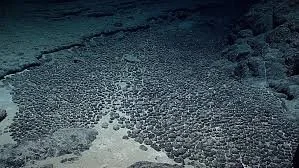
Examples of Found Online Images
Part 1: Empathise, Define & Ideation
Untangling The Abyss
Visualising the interconnected narratives of deep-sea mining.
Interview with marine biologist
Louise Guillot
01. Interviews & Key Insights
Empathise, Define & Ideation
-
The seabed is full of critical raw materials, but scientists and green groups warn extracting them could cause irreversible damage. Europe is preparing to ramp up local mining of critical raw materials, but some say it’s overlooking a far richer source of minerals – the deep sea. The bloc’s climate transition will require vast supplies of minerals such as lithium and rare earths to produce green technology like electric car batteries and wind turbines – but most of these come from China, creating a dependency that the EU is now desperate to shake. As part of that effort, Brussels is slated to unveil a package of measures this month that will make it easier to extract raw materials at home – a move that has already sparked local pushback over environmental concerns. That’s prompting calls from mining companies that the EU should be looking elsewhere; more specifically, the bottom of the ocean. Several thousand meters below sea level, the deep-sea bed is scattered with millions of nodules, each roughly the size of a large potato, that contain key minerals like manganese, iron, nickel, copper and cobalt. Extracting those resources from the seabed is less harmful to the environment than mining above ground, according to Oliver Gunasekara, CEO of the U.S.-based mining company Impossible Metals, which is working on a robot that uses artificial intelligence to harvest nodules without disturbing undersea life.
‘We need massive quantities of metals as we move away from fossil fuels ... so the question is where should we get them that has the least impact,’ said Gunasekara. ‘I am convinced [the impact of deep-sea mining] is significantly less than the alternatives on land’. The International Energy Agency has predicted that by 2040 the demand for copper and rare earth elements could rise by 40 percent, while demand for nickel and cobalt is set to increase by 60 percent and lithium by 90 percent. But some scientists, environmental groups and politicians are slamming the brakes, warning that extraction activities risk damaging fragile marine ecosystems and contributing to climate change by releasing CO2 stored in the seabed. ‘It would be an absolute mistake to try to fight the climate crisis by worsening the biodiversity crisis. That doesn’t make sense at all,’ said Monica Verbeek, executive director of the ocean protection group Seas At Risk in Brussels. The EU should explicitly rule out deep-sea mining in its new Critical Raw Materials Act, she argued, adding that it was “worrying” that it has not yet done so.
Most deep-sea reserves of critical raw materials are located in waters beyond national jurisdiction – known as the high seas – and they often overlap with vulnerable ecosystems. The EU has a number of potential reserves in its own territorial waters, including off the coasts of Finland, Sweden, Greece, Italy and the Azores, and in the French overseas regions of Guadeloupe, La Réunion, New Caledonia and Polynesia. France and Germany have lent support to domestic research institutes investigating the deep sea, while Belgium backs a project by the Global Sea Mineral Resources to explore mining in the Clarion-Clipperton fracture zone in the Pacific. But even these countries have shied away from actively supporting the idea of deep-sea mining as a solution to the EU’s scramble for critical raw materials. In part, that’s due to a successful campaign by environmental groups, which have been sounding alarm bells for years about how little is known about the deepest parts of the ocean and how difficult it would be to scrutinise companies’ activities. On Monday, they protested in front of the European Parliament, calling on the bloc to ban deep-sea mining.Among the potential risks is that industrial- scale mining could disrupt the ocean’s carbon cycle, releasing CO2 trapped in sea floor sediments, according to Verbeek. Harvesting these nodules alters the sea floor and has “a permanent impact,” including potential species extinction, said Patricia Esquete, a marine biologist at Portugal’s University of Aveiro. A paper published last month also found that noise pollution from mining activities could pose a major threat to marine mammals like whales and dolphins.
Some also fear that, rather than replace or reduce the need for mining on land, deep-sea mining could actually encourage more of it ‘because you are adding a new form of competition,’ said Pradeep Singh, a fellow at the Research Institute for Sustainability in Potsdam, Germany. A great deal more scientific research needs to be carried out before countries can allow companies to launch into deep-sea mining, he added. ‘Allowing mining to happen this year, next year? No, that’s not feasible. I think it’s very clear that we need a significant more time if we are going to take the environment seriously,’ said Singh. ‘The body of knowledge that we have [doesn’t enable] us to make an informed decision on whether or not to allow mining activities to happen’. Impossible Metals’ Gunasekara rejected that argument, calling it “disinformation”. ‘These nodules were discovered 150 years ago, they have been researched since then... So, to say we have no data is actually completely false,’ he insisted. He added that international regulators currently require environmental impact assessment and baseline studies before they award exploration permits.
So far, Europe is erring on the side of caution. France is pushing for an international ban on deep-sea mining, a call echoed by the Greens in the European Parliament. Spain and Germany, meanwhile, have asked for a precautionary pause on any deep-sea mining activities until scientists can prove it’s harmless. The Council of the EU – which represents all member countries – has called on the International Seabed Authority to ‘establish a sound regulatory regime’ that would ensure any such activities ‘would not cause harmful effects to the marine environment’. That new regime has been under discussion for over a decade, and there’s pressure to finalise the new rules at the ISA’s next meeting in July. ‘We cannot say: “We don’t even look at what options there are,” but at the same time, we cannot close our eyes to the potential dangers that deep-sea mining could have,’ said Franziska Brantner, parliamentary state secretary at the German federal economy and climate ministry.The Commission is also in favour of a moratorium until there is sufficient proof that deep-sea mining does ‘no serious harm to the environment’, and companies like carmakers and tech giants have committed to exclude minerals sourced in the deep ocean from their supply chains. Environmentalists warn that, even with more research, deep-sea mining simply isn’t worth the risk. There are enough critical raw materials on land to satisfy growing demand, they argue. Green groups are also banking on the idea that demand for the materials will decrease as the EU’s economy becomes more circular and recycling improves. But these are long-term solutions, said Kestutis Sadauskas, deputy director general of the Commission’s marine affairs department. In the short term, ‘do we source [cobalt] in Africa, in the worst human conditions possible? Do we go elsewhere looking for it? ... That’s really the difficult question we have to pose’.
This article was first published on 9 March 2023 by POLITICO. It can be accessed at: www.politico.eu/ article/the-unchartered-waters-of-deep-sea-mining. By Rhiarna Dhaliwal
Key Insights
Empathise, Define & Ideation
Below are a series of diagram created as key insights into the extraction and stakeholders of deep sea mining. The Research highlights the steakholders and the uses of rare earth materials in both present and future technologies.
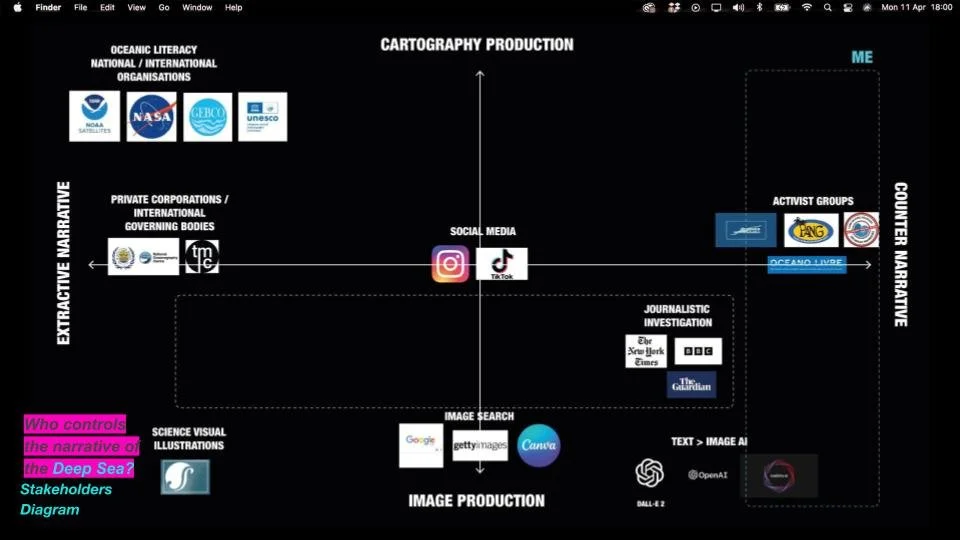
Steakholder Diagram for Extraction
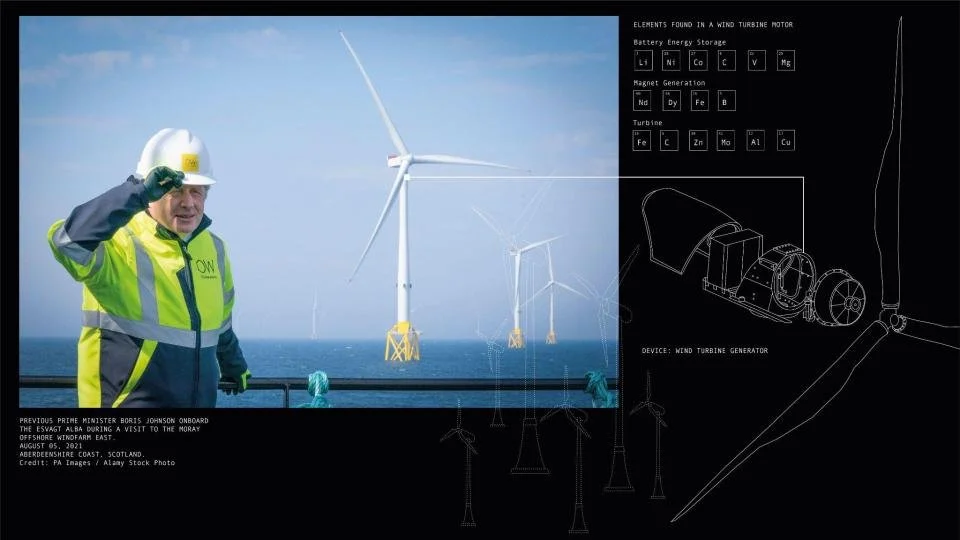
Polymetallic Nodules Utilise for Green Energy
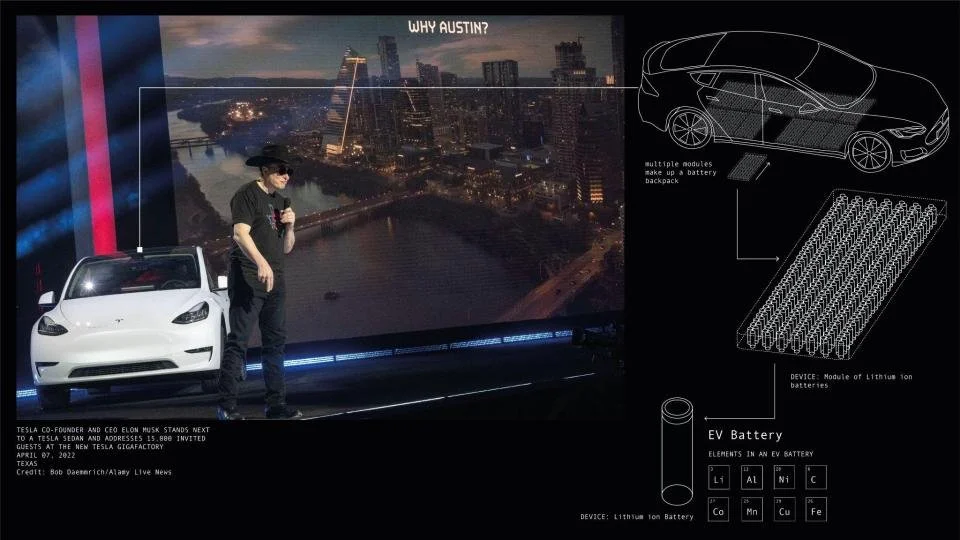
Rare Earth metals for future mobility
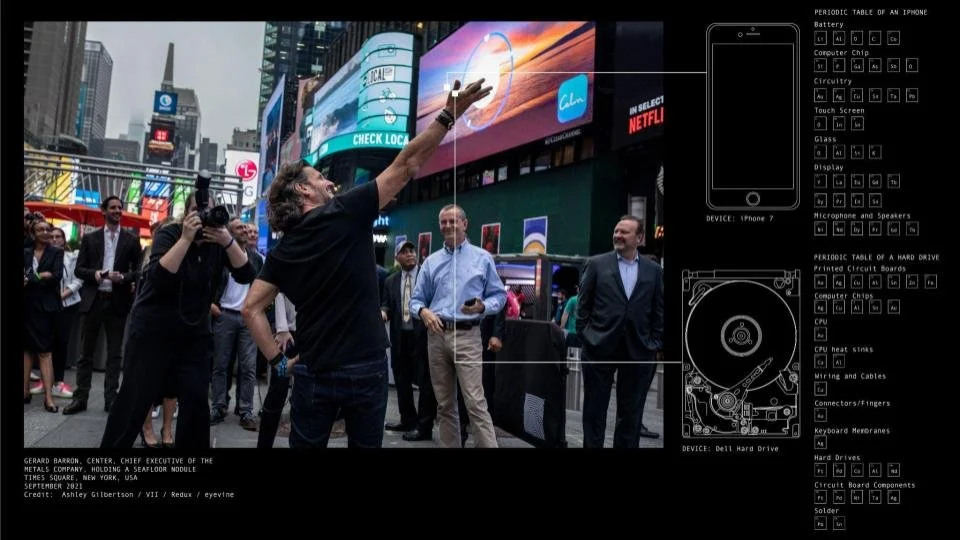
Rare earth magnets for everyday technology
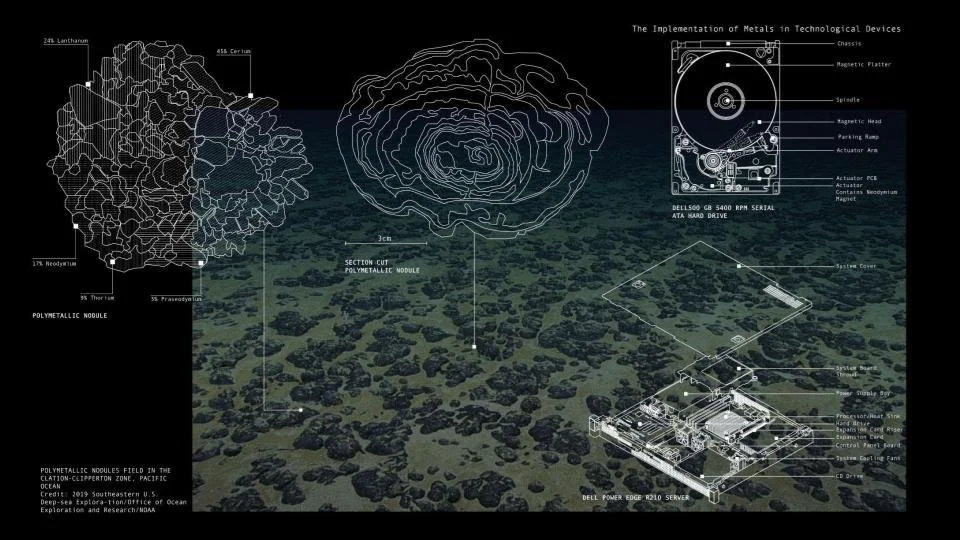
Nodule materials used in hardware
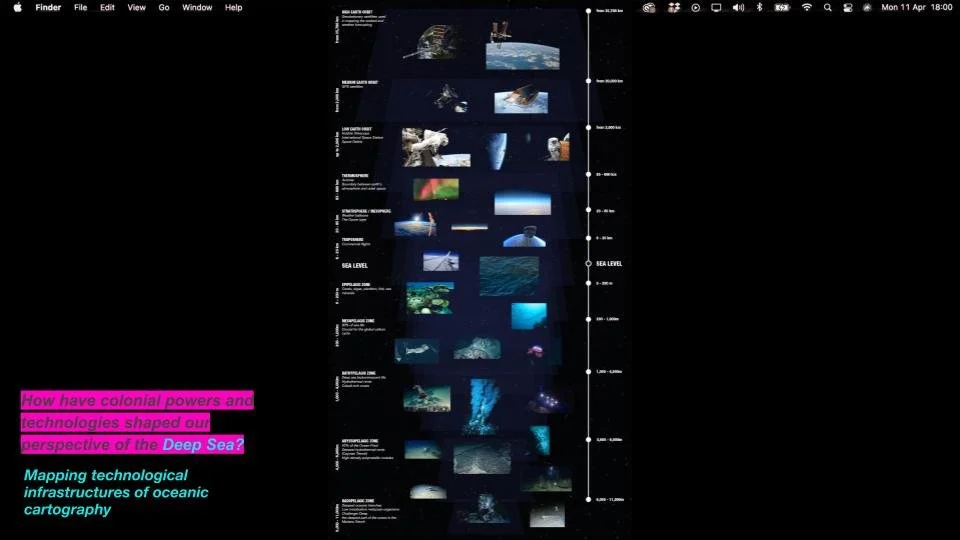
Depth Mapping
02. Image Building
Empathise, Define & Ideation
The process of mapping found images in this project was aimed at creating a new cartography of the deep sea, based on data and imagery sourced from online platforms. By using Unity, I was able to stitch together these fragmented images to visualize a speculative yet cohesive representation of an environment that is largely unmapped. The decision to use Unity, a real-time 3D development platform, allowed me to combine these disparate data points into an interactive digital space, offering new visual insights. This not only highlighted the gaps in our understanding of deep-sea environments but also emphasized the absence of substantial data, challenging the assumptions made by companies exploiting these uncharted territories. Through this process, the project engages with how digital tools can be used to address and visualize environmental and ethical concerns around data scarcity and deep-sea mining.
Image Stitching Unity World Building:
Acquiring a polymetallic nodule was a key element in creating a digital archive of deep-sea resources. The sample, which came at a significant cost of £80 for a small fragment, symbolized the rarity and value of these nodules. Despite its size, the nodule offered critical insight into the minerals and resources found deep below the ocean's surface.
After obtaining the sample, the next step involved scanning it using 3D imaging technology. This digital process captured the nodule's intricate surface and internal structure in fine detail, transforming the physical object into a digital artifact. The aim was to preserve its form for further study while also integrating it into a broader visual narrative exploring the environmental and ethical concerns surrounding deep-sea mining.
By creating a digital archive, the project allows for a wider audience to engage with these hidden elements of the Earth's geology, which are often inaccessible due to the deep ocean's remoteness and lack of comprehensive mapping.
Polymetallic Nodule - Digital Archives
03. Value Proposition
Empathise, Define & Ideation
-
As technology continues to evolve, it’s crucial to shape tools and platforms that not only serve today’s needs but also anticipate future demands. Our project seeks to create a comprehensive digital archive and immersive simulations that deepen our understanding of the environment, particularly in areas like deep-sea exploration. By using advanced technologies such as game engines and physics-based simulations, we craft narratives that expose the complex consequences of industrial actions like deep-sea mining, ensuring that knowledge is visually accessible and impactful for future generations.
-
Gen Z and future generations are growing up in a world where technology is deeply intertwined with their daily lives. Their increased digital literacy makes them more likely to engage with tech-heavy, interactive educational experiences. By creating immersive, data-driven environments and simulations, we provide them with critical tools for learning about the world’s ecological challenges, encouraging them to become informed advocates for environmental preservation.
Furthermore, as these generations become more tech-savvy, the integration of digital archives and simulations can foster a more holistic understanding of how technology impacts both culture and nature. Our initiative not only informs but empowers younger audiences to challenge current narratives and actively participate in constructing sustainable futures. By making complex topics engaging and interactive, we enable future generations to think critically and creatively about environmental stewardship.
-
We can achieve this by leveraging interactive technologies like immersive simulations and game engines, which allow users to explore and experience the environmental consequences of actions such as deep-sea mining. By incorporating data-driven visuals and narratives that illustrate the scale and complexity of these issues, we ensure the content is not only informative but also emotionally impactful. Through workshops and educational programs that focus on worldbuilding, speculative design, and critical thinking, we can encourage Gen Z and future generations to engage with these archives, empowering them to become active participants in shaping sustainable futures.
-
By creating detailed maps from sparse and fragmented data, we can visually demonstrate the immense knowledge gap surrounding deep-sea ecosystems. This process underscores how little we know about these fragile environments, making the idea of mining them seem reckless. Through the visual absence of data and the juxtaposition of incomplete mapping with corporate ambitions to exploit these areas, we can provoke critical discussions about the ethical and environmental implications of mining, revealing the sheer insanity of disrupting ecosystems we barely understand.
Part 2: Design & Test
01. Workshop & Storyboarding
Design & Test
During the whiteboarding sessions, we focused on storyboarding both qualitative and quantitative data related to the environmental impact of extracting polymetallic nodules via rovers. The research highlighted that nodules large enough to be mined only form over a 6 million-year period. Additional insights from the data revealed that the rovers leave behind visible track marks, and their activity disturbs the seafloor. The velocity and sound of this disruption agitates the deep-sea fauna and flora, causing large plumes of dust to rise, which ultimately impacts the broader ecosystems above.
The objective of these sessions was to simulate and visually represent these disturbances using the data and maps collected. We explored how to accurately replicate the deep-sea conditions—particularly the movement of particles—by developing a simulation in a game engine. The physics and density parameters from our research were vital in mimicking the effects of deep-sea pressure, providing a realistic portrayal of the environmental changes triggered by the extraction process.
This process allowed us to begin designing a comprehensive simulation that could serve as both an educational tool and a stark visual warning about the long-term effects of deep-sea mining. The resulting simulation, when completed, would offer a detailed visual account of the underwater turbulence and its cascading impact on marine ecosystems.
After the whiteboarding session, the next step was to transform the outlined concepts into detailed wireframes. These wireframes represented the six key sequences of the simulation, which spanned a period of 6 million years. The sequences began by illustrating the rapid creation of the polymetallic nodules in hyperspeed, followed by a real-time simulation of the sediment plumes generated from rover disturbances. Each frame was designed to visualize specific stages, including the impact of sediment particles suspended in the water column and their effects on the larger marine ecosystems. This methodical process allowed us to focus on both the visual storytelling and the real-time physics essential to accurately simulate deep-sea conditions.
In parallel to the visual work, we incorporated found audio footage from actual deep-sea rovers into the project archive. These audio clips, which captured the sound of the rovers navigating the seafloor and the grinding of machinery disturbing the seabed, were used to create an immersive sound installation. The noises, which echo the mechanical disruptions of deep-sea mining, added another layer to the narrative by emphasizing the sensory impact of such processes on an already fragile ecosystem. These sounds, when paired with the visual simulation, created a holistic, multi-sensory experience, underlining the long-term environmental consequences of deep-sea exploitation.
Final Composed Soundpiece frrom Archival soundscapes; Made with AbletonLive
02. Simulation Testing
Design & Test
Due to its higher density, the plume will sink quickly to the seabed, from where it will propagate as a turbidity current.
Mining can disturb sediments to approximately 150 mm depth
specifically designed to create a plume, with an increase in suspended particles of 300% (from 49 to 150 mg per m2 day-1) observed during disturbance
the highest observed was 244 mg suspended particles m2 day
The effects of this plume were observed to a maximum distance of 250 m from the tracks
but only about 20% of the circular field was directly ploughed, the remaining larger part received an up to 30 mm thick sediment blanket (Schriever and Thiel, 1992).
The modelling studies on the abyssal plain have, in particular, emphasised the long distances over which individual (fine) sediment particles, disturbed by mining, would travel before re-settling onto the bed
The mixture of water, sediment and fine-grained nodule debris that is discharged behind the mining vehicle can be characterized as a negatively buoyant jet or plume. Due to its higher density, the plume will sink quickly to the seabed, from where it will propagate as a turbidity current.
Game Simulation Physics Testing:
-
*******In the main these studies, which include near-bed and mid-water plumes, have noted the importance of flocculation in reducing the extent of any dispersion but did not assess this effect, instead using settling velocity values based on in situ particle size (mean settling velocities of 0.01–0.1 mm/s).
********More recently23 Gillard et al. modelled the impact of Collector tests in the eastern section of the German license area of the CCZ. The modelling simulated the (near-bed) plume dispersion resulting from 4 days of collector tests using settling velocities derived from laboratory measurements of in situ sediment (deriving settling speeds in the range 0.08–4.0 mm/s). While the study did not investigate the spatial dispersion of the plume in the water column, it found that the vast majority of released sediment settled to the bed within a day of the cessation of mining, and all of this deposition occurred within 9 km even under extreme ocean eddy conditions. As in the present study the Gillard et al. study indicates the importance of flocculation in the subsequent dispersion of the benthic plume.
*******At the time of measurement, 2 to 8% of the sediment mass were detected 2 m or higher above the seabed and were not observed to settle over several hours, with the remaining 92 to 98% below 2 m and some fraction of that locally deposited.
Rare Earth colour chart through radiation scanning:
The Design utilises the rare earth colour chart to indicate different desnities and movement of each rare earth through the simulation particles.
Rover phases :
These series of images indicate the rover environment and phases of movement.
03. Simulation & Design Itirations
Design & Test
Exploration of Scale: Initially, we experimented with different scales, considering both wide and close-up perspectives to represent the deep-sea environment. These iterations allowed us to assess the impact of scale on the viewer's understanding of the vastness and ecological complexity of the deep sea.
Focus on the Rover's Viewpoint: After trialling multiple viewpoints, we ultimately decided to adopt the perspective of the rover. This decision was driven by the desire to immerse the audience in the direct experience of the mining machines, highlighting their proximity to the sea floor and the damage caused by their movements.
Contextualising Impact: By using the rover's viewpoint, we were able to convey a more intimate and disturbing sense of how these machines interact with the delicate deep-sea ecosystems, showing the fine details of sediment plumes and disturbed fauna.
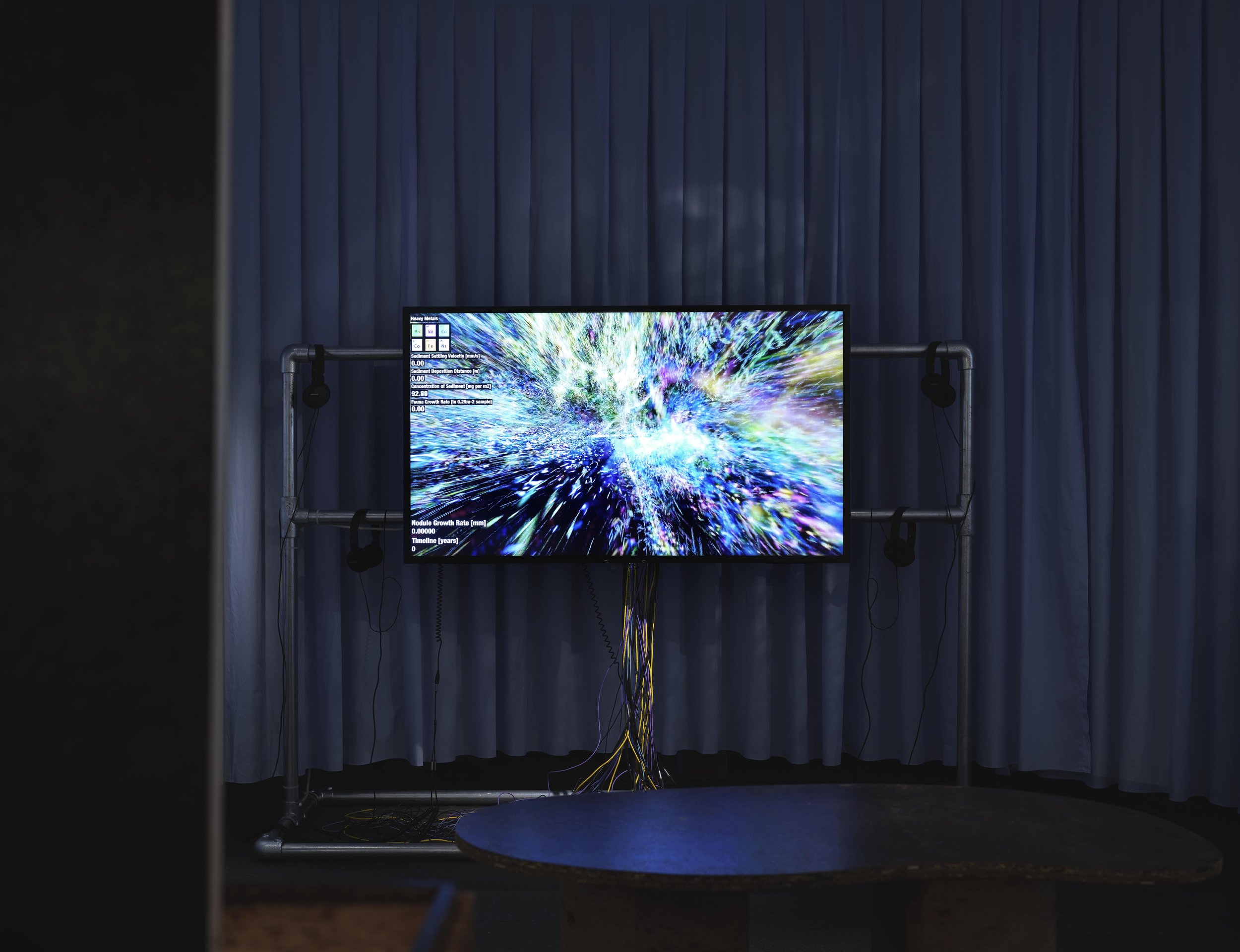
Balancing Scale with Detail: Through multiple iterations, we refined the balance between wide-scale environmental mapping and the granular impact of the mining process, ensuring that both the vastness of the seabed and the fine details of the rover's disruption were visually clear. An additional element of live feed through After Effects indicating all the information of the simulation and the mineral types with a timeline.
Design & Test
04. Final Simulation Prototype & Exhibition
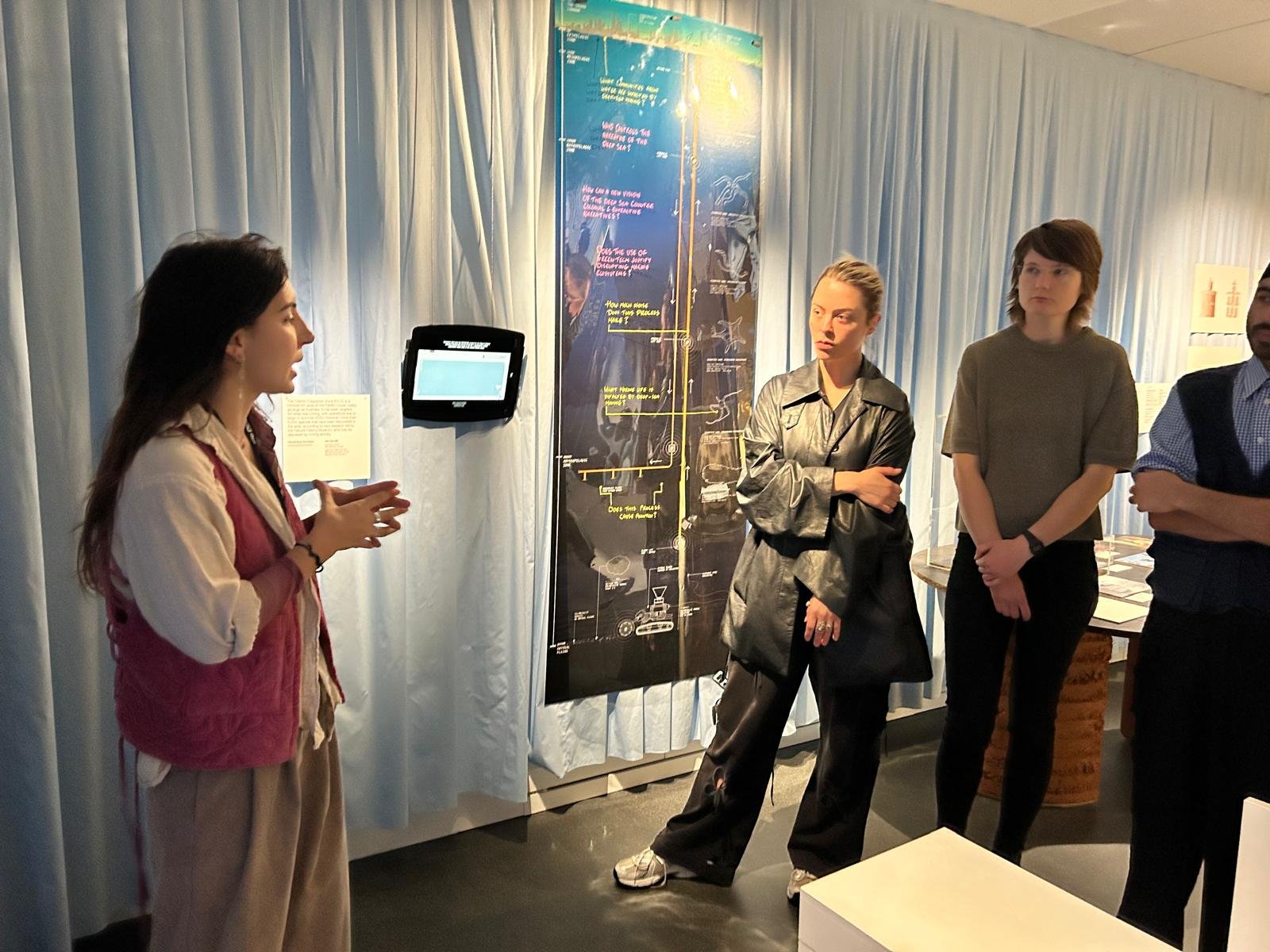
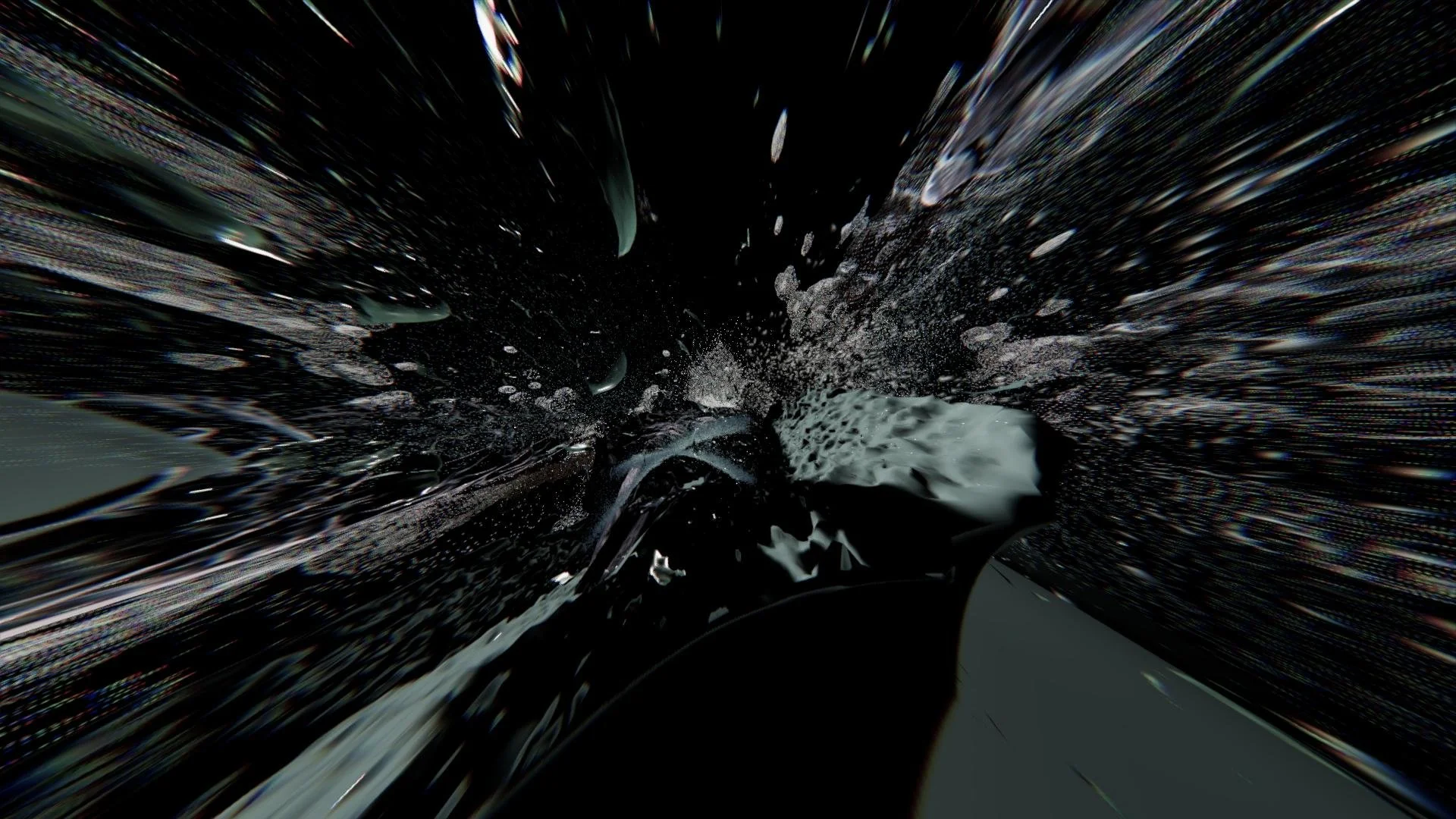
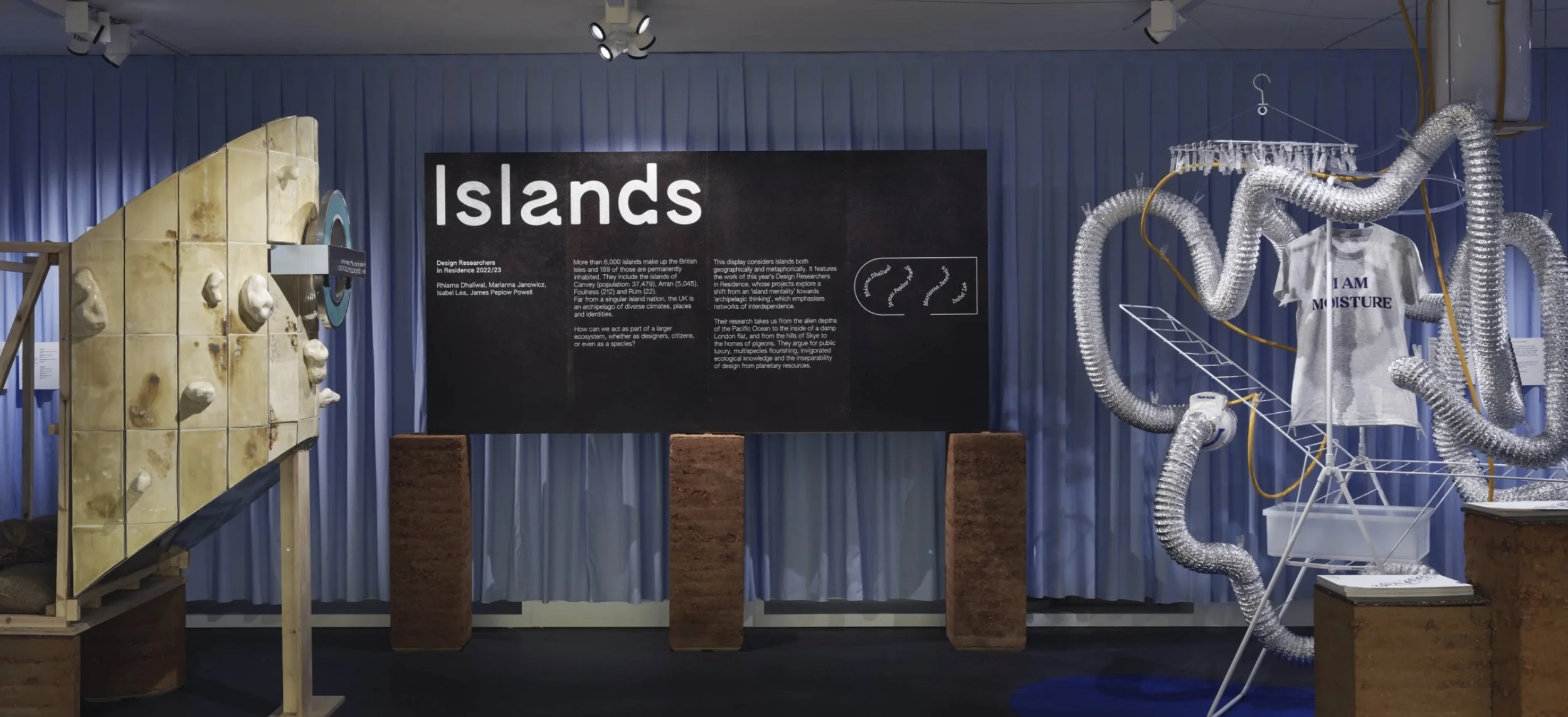
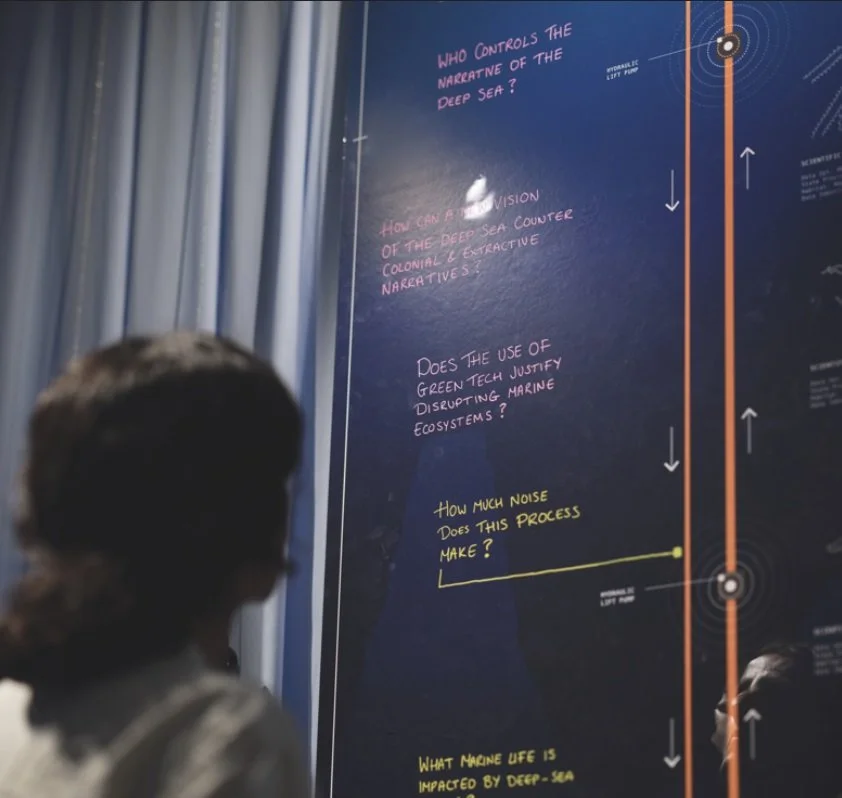
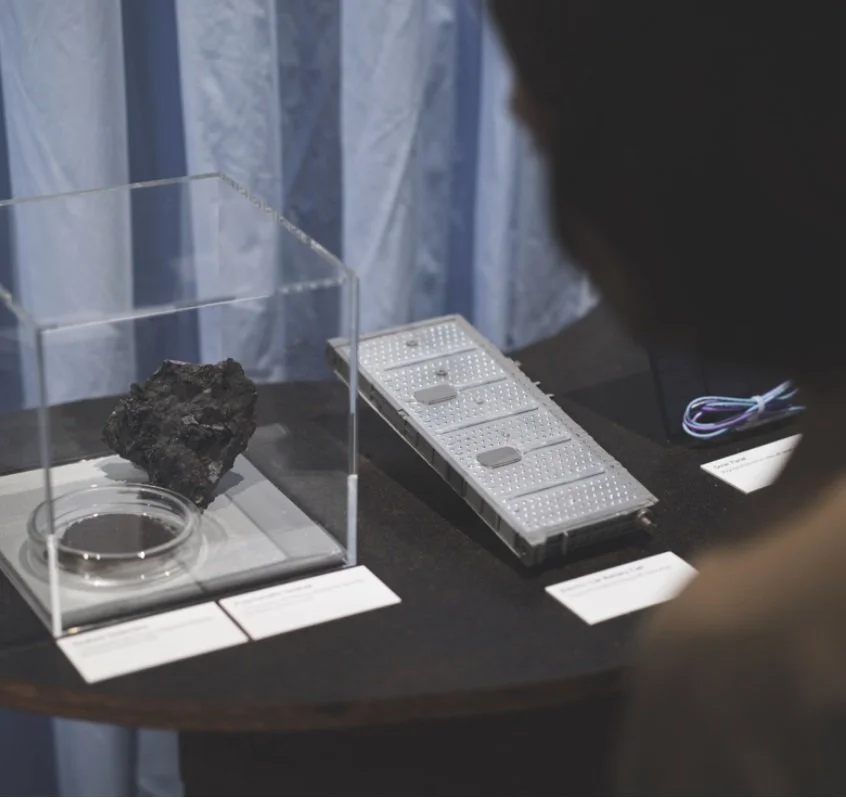
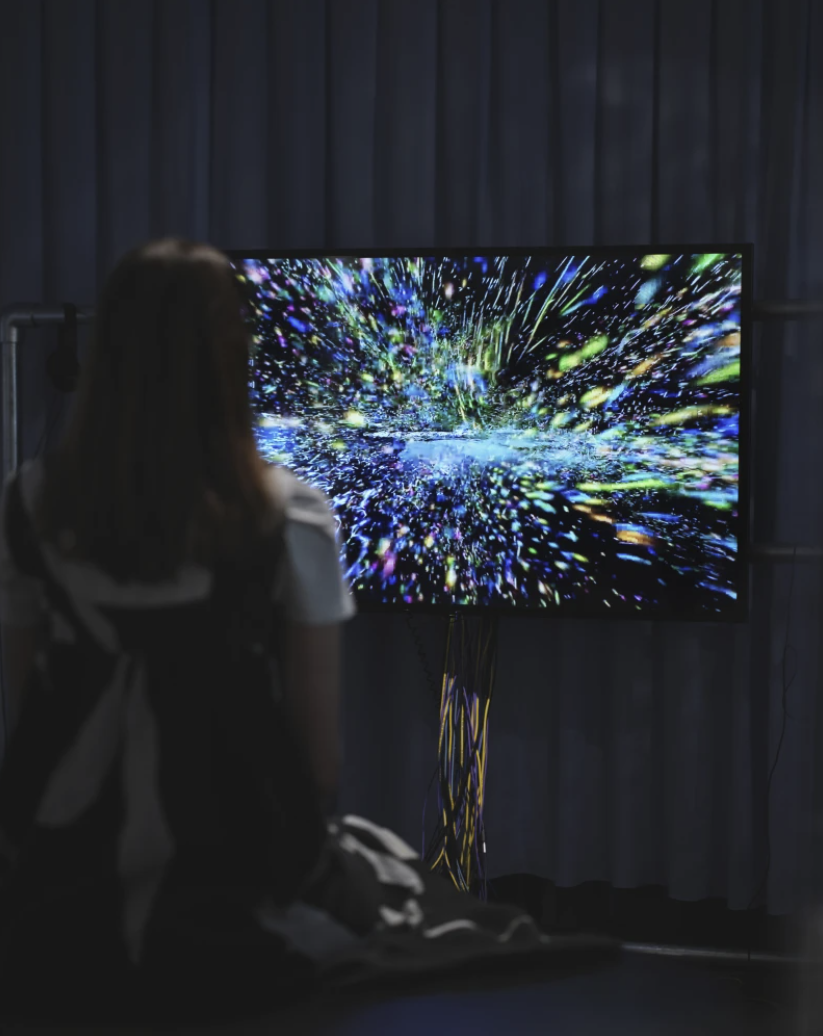
Through various testing of plume simulations and technical requirements from the Design Museum the final simulation would have ideally have been an interactive installation, however due to constraints we decided to pursue a film and sound istallation. We created a frame suspended from rare earth wires aquired from an industrial waste site as design element highlighting the issues with rare earth mining and electronic goods waste that come from them. Below are a series of images from the final exhibition and the film piece.
Lessons Learned & Continued Practice
The research project on deep-sea mining was particularly challenging due to the scarcity of available data and the secretive nature of the companies involved. Visualising the impact of deep-sea mining, given the complexity of marine ecologies and stakeholders, proved difficult. However, using gamification as a way of aestheticising data emerged as an effective tool for protest, showcasing the environmental issues in a way that mainstream media often neglects.
A key takeaway from the project was the importance of adopting innovative methods to draw attention to underrepresented environmental concerns. Together with Rhiarna, we've chosen to continue exploring other environmental typologies and are planning to conduct public workshops. These workshops, which primarily target young people, will focus on storytelling through research methods, encouraging participants to use creative approaches to challenge the dominant narratives around environmental exploitation.
Public Workshops
Continued Practice
Public Workshop Presentation Link
We hosted a public workshop to share our research methods with designers, focusing on how visual media shapes extractivist narratives of the deep sea. Participants explored the role of visual archives, uncovering biases in how the ocean is represented. Using an object from the Design Museum archive, they reimagined its narrative, emphasizing forgotten communities and untold stories. Through worldbuilding fiction and more-than-human perspectives, participants produced new outputs like collages and digital maps, which were presented to showcase alternative perspectives. The workshop also introduced the five stages of critical design theory to guide participants' reflections.